 EN
EN

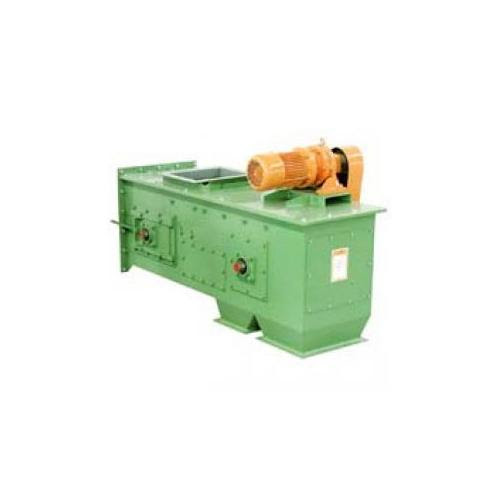
Core Feed Machine Configuration for 10–20 TPH Production Capacity
Integrated Feed Machine Line: Hammer Mill, Mixer, Conditioner, Pellet Mill, Cooler, and Packer
For 10–20 tons per hour (TPH) production, an integrated feed line combines six core units—hammer mill, mixer, conditioner, pellet mill, cooler, and automatic packer—to ensure stable, continuous operation essential for large commercial facilities targeting 15–20 TPH. Pre-processing equipment should be rated 10–20% above the main line’s capacity to prevent bottlenecks; for example, a 300,000-ton/year plant typically requires pre-processing capability of 15–20 TPH. A dual-crusher and dual-shaft mixer configuration supports rapid formulation changes and precise liquid addition while limiting operator requirements to just 4–5 per shift. Pellet size is adjustable from 1 to 12 mm, enabling direct packaging without secondary handling—reducing labor costs and improving throughput.
Feed Machine Adaptability Across Poultry, Livestock, and Aquatic Feed Formulations
A well-designed 10–20 TPH feed machine line adapts seamlessly across species-specific formulations through modular components and programmable process controls. Poultry feeds—often crumbles or 2–4 mm pellets with high fat content—require precise conditioning temperature management. Livestock feeds (e.g., cattle, sheep) incorporate coarse fibers and larger pellets (6–8 mm), best produced using flat die pellet mills that deliver superior compression force. Aquatic feeds—including shrimp and fish formulations—demand small, water-stable pellets (1–3 mm), achievable with ring die pelletizers rated for 5–30 TPH. An intelligent, computer-controlled batching system enables fully automated formulation switching across all three categories, preserving consistency, traceability, and operational continuity—making this configuration ideal for diversified commercial feed operations.
Smart Automation in Feed Machine Operations for Precision and Traceability
Modern feed production relies on smart automation to enhance accuracy, reduce manual intervention, and strengthen quality assurance. Integration of programmable logic controllers (PLCs), human-machine interfaces (HMIs), and supervisory control and data acquisition (SCADA) systems provides real-time oversight and responsive control across the entire line.
PLC/HMI and SCADA-Controlled Feed Machine Batch Management with Remote Monitoring
PLC/HMI systems enable precise, centralized control of every stage—from ingredient dosing and grinding to conditioning and pelleting—via intuitive touchscreen interfaces. Operators adjust batch parameters, monitor motor loads, and track critical temperatures in real time. SCADA expands functionality by logging historical process data and enabling remote supervision via mobile devices. Should any feed machine deviate from setpoints, the system triggers immediate alerts—allowing corrective action without stopping production. This integration significantly reduces human error, ensures consistent pellet quality across shifts, and lowers labor overhead, as one technician can effectively manage multiple lines from a central control room or off-site location.
End-to-End Traceability: Raw Material Intake to Finished Pellet Lot ID via Feed Machine Data Logging
Each feed machine in the line contributes to a unified digital traceability chain. Upon raw material receipt, the system logs supplier details, weight, and moisture content. As ingredients progress through grinding, mixing, and pelleting, sensors capture batch numbers, steam pressure, retention times, and conditioning temperatures. After cooling and optional coating, each finished bag or pallet receives a unique lot ID linked to the full dataset. In the event of a quality concern—such as nutrient deviation—the system enables instant recall of the exact batch, equipment used, and ingredient history. This end-to-end visibility supports regulatory compliance (e.g., FDA FSMA, EU Regulation 183/2005), efficient recall execution, and data-driven continuous improvement—eliminating reliance on error-prone manual records.
Optimized Layout and Scalable Integration of Feed Machine Systems
Efficient feed production begins with intentional spatial planning: minimizing material transfer distances, ensuring safe operator zones, and accommodating future growth. Core feed machines typically occupy 35–40% of total floor space, arranged to support linear, gravity-assisted flow—from raw intake to finished pellet storage. Where ceiling height permits, vertical stacking (e.g., hammer mill over mixer) reduces footprint by up to 18% compared to conventional horizontal layouts. Forward-looking installations include buffer zones around high-capacity units like pellet mills and coolers, allowing bolt-on expansions that increase throughput by up to 30% without reconfiguring the entire line. These design choices directly lower operational expenditure: optimized layouts cut energy use by 12–15% through shorter conveyor runs and centralized dust collection, while standardized integration protocols ensure uninterrupted production during phased upgrades—safeguarding ROI across expansion cycles.
Total Cost of Ownership for Industrial Feed Machine Installations
Evaluating feed machine investment requires looking beyond upfront cost. Energy efficiency, system integration, maintenance frequency, and operational reliability collectively define long-term value—especially over a standard 3-year TCO horizon.
Energy-Efficient Feed Machine Design and 3-Year TCO Comparison: Integrated vs. Standalone Systems
Integrated feed machine systems—featuring IE3/IE4 motors, variable-frequency drives, and coordinated automation—reduce power consumption by 15–20% versus standalone units. They also achieve waste rates of just 2–3%, compared to 8–10% for fragmented setups, and experience less unplanned downtime. Over three years, integrated lines typically deliver positive ROI through lower energy, labor, and maintenance costs. In contrast, low-cost standalone machines often incur 15% higher total investment due to premature component failure, inefficiency-related energy surcharges, and frequent recalibration. For industrial-scale operations, an integrated, energy-optimized feed machine system remains the most economically resilient choice.
FAQ Section
What is the capacity of a typical feed machine line?
Feed machine lines can produce between 10–20 tons per hour (TPH), with modular configurations designed to meet specific needs.
How does automation improve feed machine operations?
Automation systems like PLC/HMI and SCADA enhance precision, reduce human error, enable remote monitoring, and ensure consistent quality with lower labor requirements.
Can the same feed machine line produce feed for different species?
Yes, feed machine lines are adaptable for poultry, livestock, and aquatic feed formulations through programmable controls and modular components.
What defines Total Cost of Ownership (TCO) in feed machine installations?
TCO includes upfront costs, energy efficiency, maintenance needs, and operational reliability. Integrated systems usually offer lower TCO compared to standalone setups.
What are the advantages of an optimized feed machine layout?
An optimized layout minimizes energy use, reduces transfer distances, allows for future expansions, and supports smooth, uninterrupted operations.
Table of Contents
- Core Feed Machine Configuration for 10–20 TPH Production Capacity
- Smart Automation in Feed Machine Operations for Precision and Traceability
- Optimized Layout and Scalable Integration of Feed Machine Systems
- Total Cost of Ownership for Industrial Feed Machine Installations
-
FAQ Section
- What is the capacity of a typical feed machine line?
- How does automation improve feed machine operations?
- Can the same feed machine line produce feed for different species?
- What defines Total Cost of Ownership (TCO) in feed machine installations?
- What are the advantages of an optimized feed machine layout?

