 EN
EN

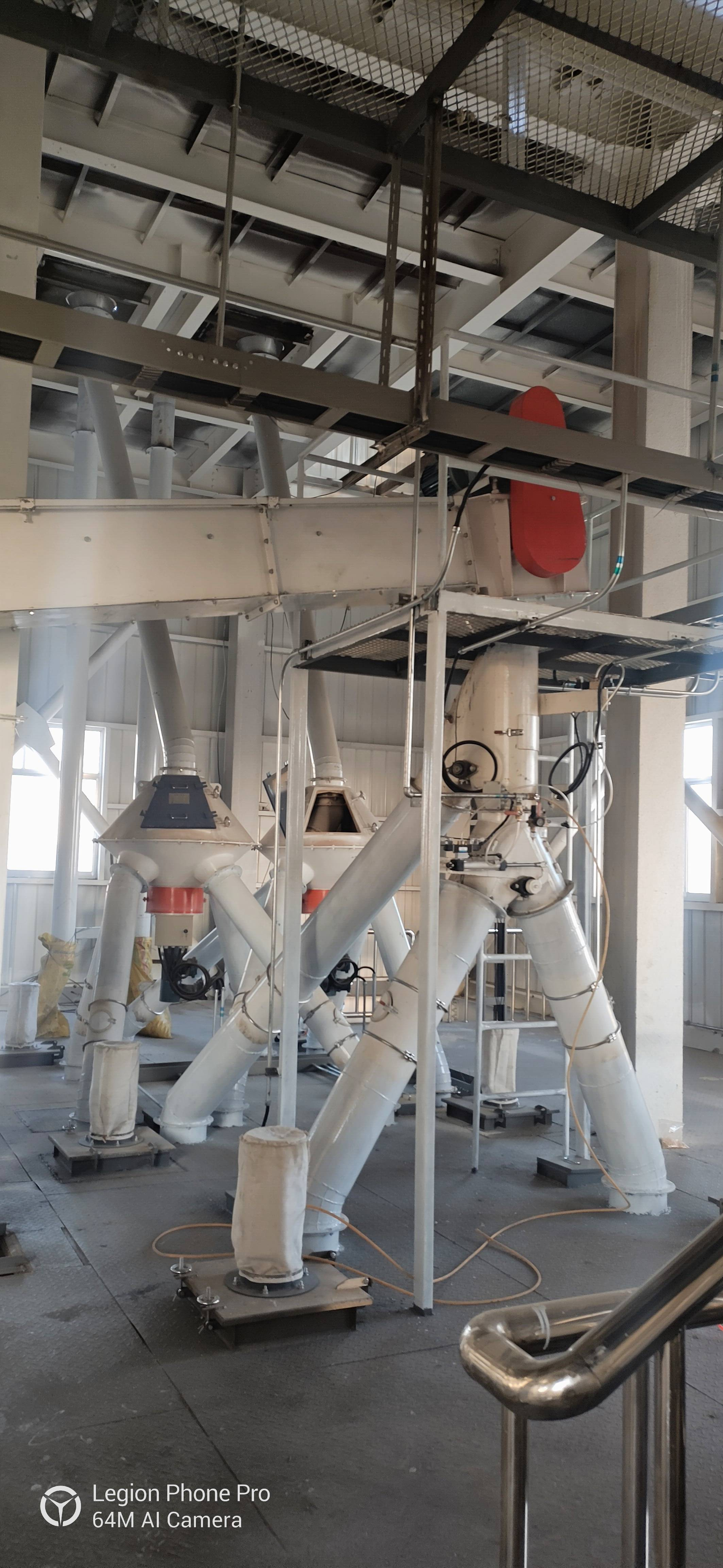
Enhanced Operational Efficiency Through Screw Conveyor Integration
Streamlined Material Handling and Consistent Production Rhythm
Screw conveyors allow materials to move continuously and controllably from one stage of processing to another instead of relying on those stop-start batch transfers that cause bottlenecks and wasted time. When these systems synchronize what happens before and after them in the production line, factories can cut down on downtime by around 35 to 40 percent while still keeping the right amount of material flowing at each step. This matters a lot for things like proper mixing ratios, accurate batching, and getting packages filled correctly. The enclosed design of these conveyors keeps dust contained, stops spills from happening, and maintains the quality of the products being moved. All this adds up to better overall throughput, less frequent interruptions during operation, and noticeably less waste of raw materials over time.
Modular and Flexible Screw Conveyor Design for Line Optimization
Modern screw conveyors are engineered for adaptability, supporting rapid line reconfiguration without major capital investment. Key design features include:
- Scalable trough lengths and modular sections, allowing seamless integration into evolving facility layouts
- Interchangeable screw configurations (e.g., ribbon, cut-flight, or standard helical) tailored to material characteristicsâfrom fine powders to granular or slightly moist blends
- Variable-speed drives, enabling real-time flow adjustments without mechanical modifications
This flexibility cuts reconfiguration downtime by 60% compared to fixed systems. Facilities can redirect material flow vertically or horizontally in hoursânot daysâoptimizing floor space and extending the useful life of existing infrastructure.
Reduction in Labor and Maintenance Costs with Screw Conveyor Systems
Labor Savings from Automated, Continuous Flow vs. Manual or Batch Handling
Screw conveyors take care of all those tedious manual jobs like lifting, scooping and transferring materials around processing plants. They cut down on direct labor needs by about 60% in places where batch handling used to be the norm. Compared to old school bucket elevators or setups that rely heavily on forklifts, these continuous screw systems run themselves pretty much without needing anyone to constantly monitor them during loading and unloading. The savings are real though - companies actually save money on their bottom line while also cutting down worker injuries from fatigue and mistakes that come with repetitive manual work. Take grain processing facilities for instance. When they swapped out manual bucket elevators for screw conveyors, one study found they saved around $740,000 each year in labor costs according to research published by Ponemon Institute back in 2023. What's interesting is how operators can now watch over several production lines at once. This frees up other staff members to focus on things like checking product quality, coordinating maintenance schedules, and fine tuning processes to make everything run smoother.
Low Maintenance Architecture: Fewer Moving Parts and Extended Service Intervals
The basic design of screw conveyors is pretty straightforward really just an auger that spins around, a motor to drive it, and a fixed trough holding everything together. This makes them much simpler mechanically compared to belt or air based systems which often have way more moving parts. The fewer components mean these machines tend to last longer too. They need very little lubrication, experience less wear overall, and can go anywhere from twelve to eighteen months before needing any serious checkups. When manufacturers enclose the system properly, it helps protect against dirt and debris getting inside while keeping materials contained within the trough. This actually slows down how fast parts break down and saves companies between thirty and forty five percent on maintenance expenses. Most industrial setups see their screw conveyors running non stop for at least five full years before they ever need to replace anything critical.
Energy Efficiency and Power Optimization in Modern Screw Conveyor Design
Precision Motor and Drive Selection to Minimize Power Consumption
The drive system is where energy savings start making a difference. Today's screw conveyors come equipped with efficient AC motors paired with vector controlled VFDs. These setups adjust torque and speed based on what the material actually needs during processing. The result? Startup power surges drop around 40%, and electricity bills go down between 15% to 25% for most bulk handling operations. Getting the right gearbox matching is important too since it cuts down on mechanical losses. And let's not forget about those premium efficiency motors which can cut power usage by roughly 30% compared to regular NEMA models. Best part? None of this affects how much material gets moved or the consistency of the flow throughout the system.
Preventing Overloading and Failure Through Load-Matched Screw Conveyor Sizing
Most problems with wasted energy and early equipment failure come down to getting the conveyor sizing wrong. It's not just about having too big a motor, but also things like screw diameter that doesn't match, pitch settings that aren't right for the job, or trough fill levels that ignore what kind of material is actually moving through. Good engineering relies on computer models and follows guidelines set by organizations like CEMA to make sure everything works within the sweet spot for motor efficiency. When conveyors are too small, they work harder than they should and end up overheating components. On the flip side, when they're too large, all that extra space creates drag and eats up power needlessly. Properly matched systems typically use around half to one and a half kilowatt hours for every ton moved, which means maintenance happens less frequently (about 35% longer between services) and those annoying shutdowns caused by overloads simply disappear. Getting this balance right makes sense for both productivity and keeping operations running smoothly long term.
FAQ
What is a screw conveyor?
A screw conveyor is a mechanism that uses a rotating helical screw blade, called a "flighting", usually within a tube, to move liquid or granular materials. They are used in many bulk handling industries.
How do screw conveyors help reduce labor costs?
Screw conveyors automate the material handling process, reducing the need for manual labor and thereby decreasing labor costs significantly.
Are screw conveyors energy efficient?
Yes, modern screw conveyors are designed to be energy efficient with advanced drive systems that minimize power consumption.
What maintenance do screw conveyors require?
Screw conveyors require simple maintenance due to fewer moving parts, usually involving periodic checks and lubrication.

