 EN
EN

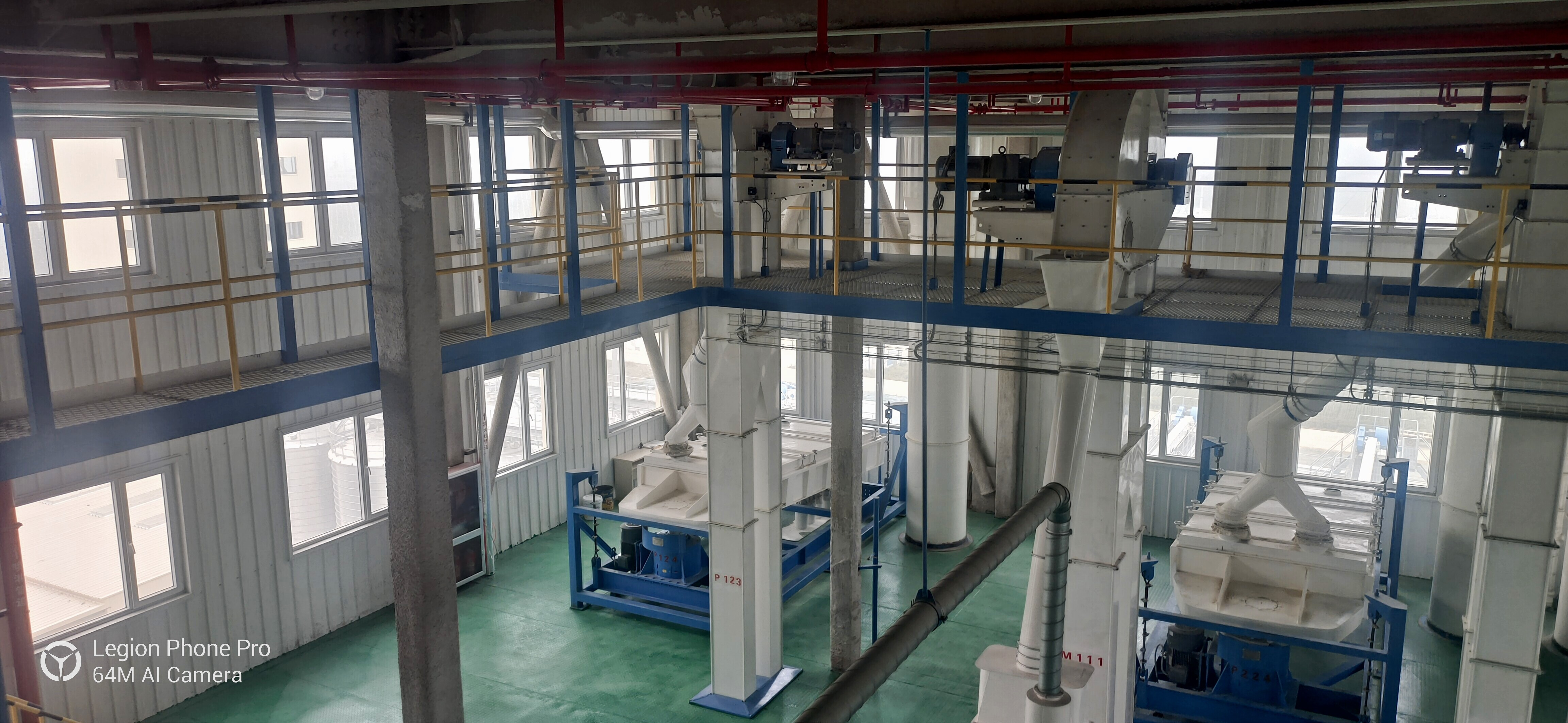
How Bucket Elevators Solve Vertical Transport Bottlenecks in Feed Lines
Why vertical material movement is the throughput limiter in integrated feed systems
Moving grains, pellets, and various bulk feed materials vertically is often where production lines hit their biggest snag. The simple fact is gravity works against us here. When companies rely on manual labor or try to move stuff from side to side then up using things like screw conveyors or angled belt systems, they end up with all sorts of problems. Materials get stuck, there's wasted time waiting for things to move, and plenty of extra energy gets burned just trying to keep operations running smoothly. In facilities that process large volumes daily, these issues can actually cut down total output by around 30%. That's why many plants are turning to bucket elevators instead. These machines handle vertical transport directly and continuously, making what used to be a major roadblock into something that actually helps boost production capacity across the board.
Core operating principle: Continuous, gravity-defying lift via bucket-chain or bucket-belt mechanisms
The basic idea behind bucket elevators is pretty straightforward but works really well in practice. Basically, buckets attached to either a chain or belt system lift materials straight up from where they come in at the bottom all the way to the discharge point at the top. When material gets fed into the system at ground level, it rides along with the buckets until reaching the top section. At that point, the material either flies out due to centrifugal force or drops out through gates depending on how the system is set up. What makes these systems so good for industrial applications is their ability to keep moving material consistently without much wear and tear on the product itself. Plus, operators can scale operations quite easily since some models handle as much as 500 tons every single hour. And speaking of efficiency, these elevators generally consume less power than other ways of moving stuff vertically which saves money in the long run.
Seamless Integration of Bucket Elevators with Feed Line Components
Optimizing flow at hopper interfaces: Preventing bridging and segregation through modular design
The modular design of bucket elevators tackles those pesky flow problems that happen at hopper interfaces, which are basically where most of the trouble starts with things like bridging, rat holes forming, and particles getting all separated out. These systems come with adjustable inlet angles, those special tapered transition hoppers, plus flexible skirtboard seals that can handle different materials depending on their properties. Think about stuff like how moist they are, the size of the pellets, or just plain old bulk density. All these features work together to get rid of those annoying dead spots where ingredients tend to pile up or sort themselves based on weight or shape differences. And when it comes time for switching products or expanding production lines, standardized flange connections mean everything snaps together quickly. Plus there's no need for tools for most adjustments, so companies report cutting down on integration downtime somewhere around 35-40%, though exact numbers will depend on specific applications and maintenance practices.
Synchronizing discharge dynamics: Matching bucket elevator speed with vibratory feeders and chute geometry
Getting smooth flow going downstream really hinges on getting the timing right between when the bucket elevator dumps material and what happens next at the receiving end. The tip speed needs to match up properly with how fast the vibratory feeder is moving plus the shape of those chutes we install. Otherwise things get messy with surges happening, stuff spilling everywhere, or even damage to pellets from impacts. Most experienced operators stick to keeping acceleration under about 0.8g during discharge because anything higher tends to crack surfaces on pelleted feeds. We've found that specially designed curved chutes lined with materials that absorb shocks cut down both how far materials fall freely and the heat generated by friction. Plus there are these monitoring systems now that watch flow rates in real time and tweak the elevator's RPM automatically so everything stays in sync with whatever comes after it in the production line.
Gentle Handling for Pellet Integrity: Bucket Selection and Discharge Strategies
Impact physics: How excessive acceleration (>0.8g) fractures fragile feed pellets
When pellets experience sudden stops or impacts that push their structural limits beyond what they can handle, usually around 0.8g acceleration, their integrity starts to break down. At this point, the forces involved create tiny cracks on the surface and cause bits to chip off. This leads to about 18 to 22 percent more fine particles forming while also reducing how well nutrients stay in place, controlling dust becomes harder, and overall shelf life shortens. What happens during these fractures? Energy gets transferred very quickly when pellets hit things like bucket walls, discharge chutes, or other equipment further along the line. Good handling systems focus not only on slowing things down but also on managing where pellets go, keeping drops to a minimum, and using surfaces that absorb some of the shock instead of letting everything bounce around violently.
Continuous discharge design and FDA-compliant polyurethane bucket linings for low-impact transfer
The continuous discharge setup keeps materials moving smoothly during unloading instead of letting them stop suddenly and then release all at once, which can cause dangerous spikes in acceleration. Pairing these systems with FDA approved polyurethane bucket linings makes a big difference too. The polyurethane soaks up impact energy instead of bouncing it back out. Tests show it actually absorbs about 40 percent more kinetic energy compared to regular stainless steel or plastic alternatives. What's great about this material is how flexible it stays, reducing stress points on the pellets themselves. Plus, it still complies with those tough food contact standards from 21 CFR 174 through 179. Combining smooth mechanical motion with these responsive materials helps maintain product quality throughout the entire vertical transport process from start to finish.
Food-Safe Compliance: Meeting NSF, FDA, and Industry Standards for Bucket Elevators
When it comes to bucket elevators in animal feed processing plants, meeting global food safety standards isn't optional anymore if we want to keep things free from those pesky microbes, chemicals, or physical contaminants getting into the mix. Let's talk about what the FDA actually says in their 21 CFR 174 through 179 rules first. Basically, every surface that touches food stuff needs to be made of materials that won't leach anything bad into the product. That includes not just the buckets themselves but also those liners inside them and whatever parts handle the discharge at the bottom. Approved options usually mean going with FDA grade polyurethane or passivating stainless steel so nothing unwanted gets transferred during operation. Now over on the NSF/ANSI side of things, there's another whole set of requirements under certification number 2. These folks demand construction that doesn't trap dirt anywhere, so everything has to have smooth surfaces without cracks or crevices where bacteria might hide. Corners need to be rounded off properly, welds must be completely sealed, and the whole system should work well with cleaning processes like CIP (clean-in-place). Across the pond in Europe, the EU Regulation 10/2011 really tightens down how much stuff can migrate out of plastics into food products. And don't forget about China either where GB 4806 basically forces manufacturers to get official approval before selling any part that will ever come into contact with animal feed. Makes sense when you think about it – nobody wants contaminated feed causing problems downstream.
Compliance rests on three interdependent pillars:
- Material selection: Corrosion-resistant alloys (e.g., 304/316 stainless steel) or certified polymers validated for feed-grade use
- Design integrity: Smooth, crevice-free surfaces; full-radius transitions; gasketed access points; and drainable bases
- Documentation rigor: Traceable material certifications, third-party migration test reports, and validation of cleaning protocols
Third-party audits against GFSI-benchmarked schemes—such as BRCGS or SQF—further verify conformance and correlate with a 34% reduction in recall risk, according to 2023 industry safety data.
FAQ
What is a bucket elevator and why is it used?
A bucket elevator is a machine used for vertical transportation of bulk materials. It is preferred in various industrial settings due to its efficiency in continuously lifting materials without causing wear and tear, thus improving production capacity.
How do bucket elevators improve industrial processes?
Bucket elevators help streamline vertical transport, reduce energy consumption, and mitigate material handling issues such as bridging and segregation. They enable consistent material flow and are easily scalable for different operational needs.
What are the key features of bucket elevators that support gentle handling of materials?
Key features include continuous discharge design, use of FDA-compliant polyurethane linings that absorb kinetic energy, and low-impact systems that prevent damage to fragile materials like pellets.
How do bucket elevators ensure compliance with food safety standards?
Bucket elevators use corrosion-resistant materials and designs that prevent contamination. They meet global standards by using approved materials and construction techniques that facilitate thorough cleaning and prevent microbial and chemical contamination.
Table of Contents
- How Bucket Elevators Solve Vertical Transport Bottlenecks in Feed Lines
- Seamless Integration of Bucket Elevators with Feed Line Components
- Gentle Handling for Pellet Integrity: Bucket Selection and Discharge Strategies
- Food-Safe Compliance: Meeting NSF, FDA, and Industry Standards for Bucket Elevators
- FAQ

