 EN
EN

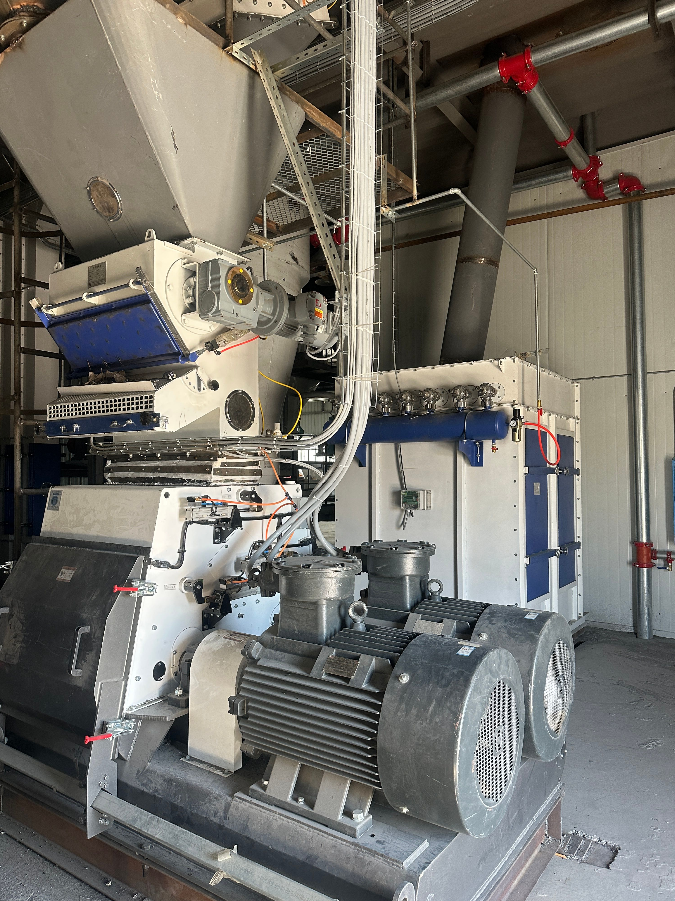
Material Construction and Engineering: What Makes a Feed Grinder Truly Durable?
Stainless Steel Housings and Wear-Resistant Alloy Cutting Components
The strength of a feed grinder starts with what goes into making it. Stainless steel is commonly used for the housing because it doesn't bend or warp when subjected to all that weight during operation. When looking at the parts that actually do the cutting work like hammers, screens, and rotors, manufacturers need something much tougher. Special alloys are often chosen here since they can handle both hardness requirements and repeated impacts without breaking down. Regular carbon steel just isn't cut out for these jobs; it tends to wear away pretty fast under tough conditions. According to tests done across various industries, these special alloys stay sharp about three to five times longer than regular options on the market today. That means fewer trips back to the shop for repairs or replacements, saving money in the long run. Ultimately, combining different materials like this makes sense if anyone wants their equipment to last through years of hard use rather than months.
Corrosion and Abrasion Resistance in High-Moisture, High-Abrasive Feed Streams
In feed processing plants, there are really two big problems to deal with at once: corrosion caused by moisture and wear from particles in the feed. When dealing with stuff like silage, wet distillers' grains, or feeds with added salt, equipment manufacturers recommend going for 304 or 316L grade stainless steel components. These materials help stop those annoying rust pits and prevent cracks from chloride exposure. At the same time, many facilities apply tungsten carbide coatings to parts that get worn down fastest, especially around areas where silica and minerals in raw ingredients cause damage. Plants that handle more than 20 tons per day have seen some impressive results too. One study found that switching from regular mild steel to better built equipment cut unexpected downtime by almost 30%. All this engineering makes a real difference when working with feeds that contain harsh chemicals or lots of moisture, something most processors face every day.
Operational Reliability: How Durability Reduces Downtime and Maintenance Costs
Empirical Evidence: ISO-Certified Feed Grinders Cut Unplanned Downtime by 42%
The numbers don't lie when it comes to ISO certified feed grinders. Industry reports show these machines cut down on unexpected downtime by around 42% compared to their non-certified counterparts. What makes them so dependable? Well, they're built according to strict engineering specs that keep them running smoothly even during those long hours of heavy duty work where other machines start showing signs of wear and tear. A recent McKinsey study backs this up, finding that durable construction can slash downtime anywhere from 30% to almost half, while also making equipment last significantly longer - sometimes up to 40% extra service life. Facility managers know what this means in practical terms: fewer breakdowns mean less money spent on emergency fixes, reduced need for overtime maintenance crews, and most importantly, production doesn't come to a grinding halt. Take a facility handling over 10,000 tons per year, for instance. The difference in reliability between certified and standard models could literally save hundreds of thousands in lost productivity during shutdown periods.
Enabling Predictive Maintenance Through Structural Consistency and Sensor-Ready Design
Feed grinders built to last come with standard parts and built-in sensor connections that make predictive maintenance much easier to implement. When the structure stays consistent over time, operators can monitor vibrations and temperature changes accurately, catching problems long before anything breaks down. The design focused on reliability cuts maintenance expenses anywhere between 25% and 35%. Instead of waiting for parts to fail, they get swapped out according to schedule. Industrial Computing Analytics found this trend back in 2022. Plants that adopted these systems saw their replacement rates drop by about two thirds and completely stopped having those urgent repair requests that disrupt production schedules. What this really means is that maintenance stops being something companies just have to spend money on and becomes part of how they run their operations efficiently day to day.
Feed Quality and Production Efficiency: The Direct Link Between Grinder Longevity and Output Consistency
Particle Size Uniformity, Pellet Binding, and Shelf Life Stability Over Time
Getting consistent particle sizes matters a lot when it comes to keeping pellets intact, maintaining their nutritional value, and extending how long they last on shelves. Good quality grinders that can withstand wear keep things precise at the micron level for years without breaking down. Older or cheaper equipment tends to fail more often, leading to problems with nutrients getting damaged over time. Studies show that if there's more than 10% variation in particle size, pellets become about 31% less durable and vitamins start oxidizing much faster during storage periods. The right kind of durable grinder doesn't bend or warp when dealing with tough materials, so it applies even pressure across all batches, creating consistently sized particles each time through. This kind of mechanical reliability stops fats from separating out in the final product and helps starches gelatinize properly, which means longer shelf life overall for the manufacturer.
Better production efficiency comes right along with it. Uniform particles just work better for conditioning processes, they put less stress on the dies in those pellet mills, and most folks report around 15-17% more output before needing to sort through bad batches again. What happens when those cutting edges start wearing down? Well, fibrous stuff gets shredded all wrong, creating too many fines that actually make the pellets fall apart later on. These tiny particles also soak up way more moisture while sitting in storage, which nobody wants. That's why high alloy grinders matter so much. They keep those compression ratios just right between the rollers and dies. This means the nutrition stays locked in where it belongs, and we don't end up with those frustrating batch inconsistencies that send whole loads back for reprocessing.
| Grinder Longevity Impact | Feed Quality Metric | Efficiency Outcome |
|---|---|---|
| Consistent cutting edges | Particle size CV < 8% | +14% pelleting rate |
| Wear-resistant alloys | Pellet durability index > 95% | -27% rework waste |
| Stable compression | Moisture variation < 0.5% | +19% shelf life |
Maintaining these parameters requires components engineered to resist crystalline abrasives without microscopic pitting—a key factor preserving output homogeneity through 10,000+ operational hours.
Strategic Feed Grinder Selection: Balancing Throughput, Material Hardness, and Lifecycle Value
Picking the right feed grinder really comes down to looking at three main things together: how much it can handle, what kind of materials it works with, and how long it will last overall. When running big operations, figuring out the tons per hour needed is essential. Look at both the densest feed and its moisture levels first. Getting this wrong means dealing with expensive slowdowns when business picks up unexpectedly. The type of material matters too. Silica-heavy grains wear down equipment fast, so those setups need tough tungsten carbide parts. Organic stuff works better with regular hardened steel instead. Worth noting? Studies show that investing in sturdier grinders pays off big time in the long run. Even though they cost more upfront, these machines save between 30 to 50 percent on replacements after ten years. Taking all this into account changes the whole game for farmers and processors. Instead of just buying whatever fits the budget at the moment, they're making smart choices that actually improve productivity and cut costs over time.
Frequently Asked Questions
What materials make a feed grinder durable?
Durability in feed grinders is often achieved using stainless steel for housing and wear-resistant alloys for cutting components like hammers, screens, and rotors.
How does a durable feed grinder reduce maintenance costs?
Durable feed grinders reduce maintenance costs by lowering unplanned downtime and allowing for predictive maintenance schedules. This helps identify issues before they lead to failures, saving on repair costs and disruptions.
What role does material choice play in grinder efficiency?
The choice of materials influences a grinder's ability to handle specific feed types and their abrasion resistance, directly impacting equipment longevity and consistency in particle size output.
Table of Contents
- Material Construction and Engineering: What Makes a Feed Grinder Truly Durable?
- Operational Reliability: How Durability Reduces Downtime and Maintenance Costs
- Feed Quality and Production Efficiency: The Direct Link Between Grinder Longevity and Output Consistency
- Strategic Feed Grinder Selection: Balancing Throughput, Material Hardness, and Lifecycle Value
- Frequently Asked Questions

