 EN
EN

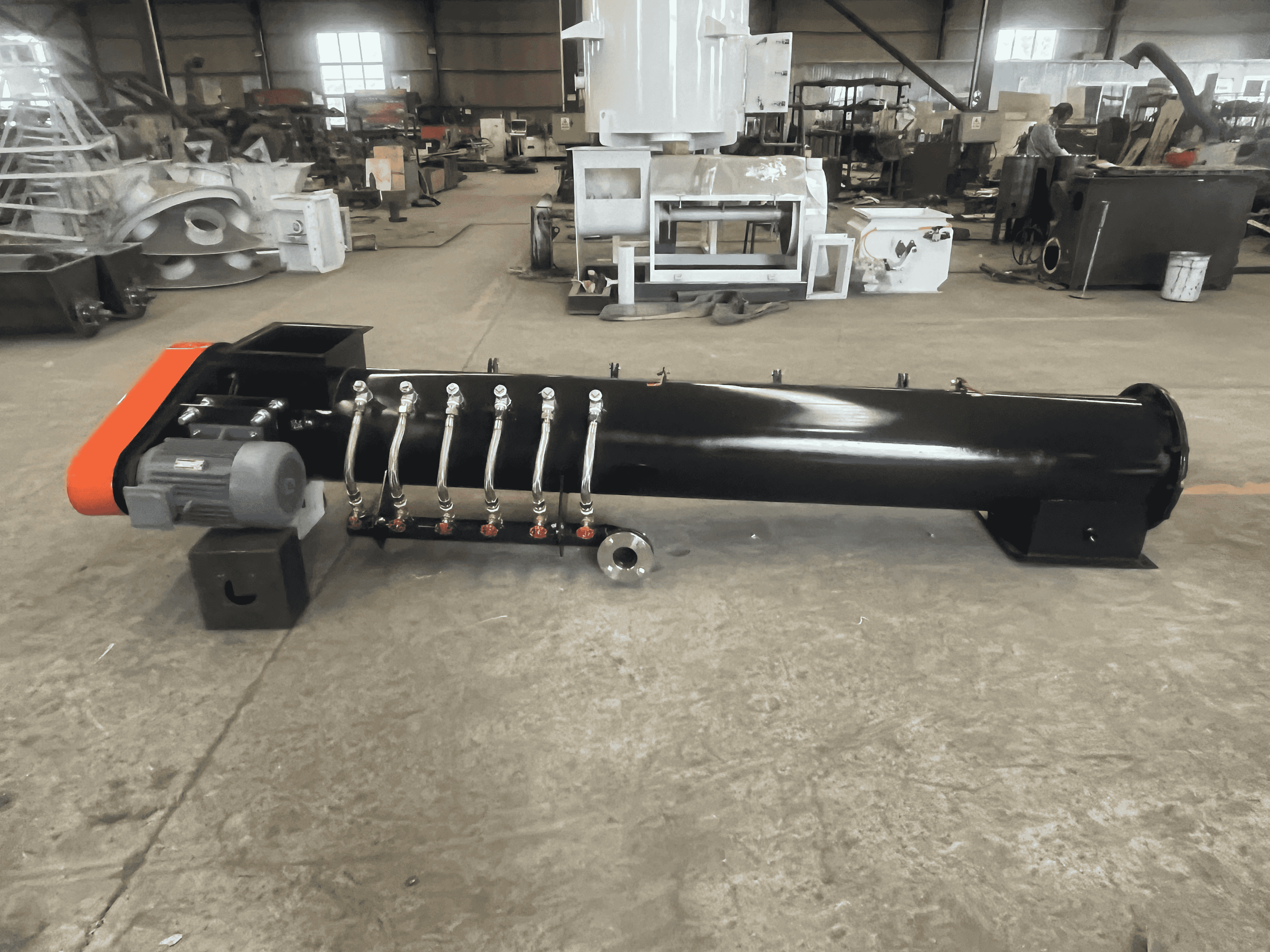
Physical Quality Modulators: Strengthening Hardness, Durability, and Structural Integrity
Steam-jacketed conditioners: Optimizing temperature and moisture for starch gelatinization and binding
Steam jacketed conditioners work as temperature regulators that help maintain pellet quality by wrapping feed mash in steam at controlled temperatures. When kept around 80 to 90 degrees Celsius, something interesting happens to the starch in the mix. The starch granules start absorbing moisture, expanding, and creating these sticky, glue-like substances that hold everything together. Getting the moisture right is crucial too – somewhere between 15 and 18 percent works best for this whole process. Even heating throughout the batch stops those pesky hot spots that can destroy nutrients and makes sure all the starch gets properly activated. Some tests indicate that when starch is properly gelatinized, pellets become significantly harder than regular feed – sometimes over 30% harder actually. What sets steam jacketed systems apart from just injecting steam directly is how they prevent the mix from getting too wet, which would ruin the individual particles. This creates those strong connections between particles that make the final product resistant to crushing during transportation and everyday handling.
Conditioning time and moisture modulation: Balancing pellet durability against fines generation
Getting the right balance between conditioning time and moisture levels is essential for good structural results. The ideal retention period sits somewhere between 45 to 90 seconds, giving enough time for moisture to fully penetrate and transform the starches properly. When processes run too short, below 40 seconds, we see problems with incomplete gelatinization which can boost fine particle counts by around 25%. On the flip side, running past 100 seconds starts breaking down heat sensitive nutrients and just wastes extra energy without any real benefit. For moisture content, there's really only a small sweet spot where things work best. Going outside this range affects both product quality and processing efficiency, making precise control absolutely critical throughout production runs.
- Low moisture (<15%): Produces brittle pellets prone to fragmentation
- Optimal moisture (16±0.5%): Maximizes binding efficiency without impeding extrusion
- High moisture (>18%): Leads to die slippage and post-processing cracking
Field studies show maintaining this balance reduces pellet breakage by 30% and cuts energy consumption by 15%. Modern continuous moisture sensors enable real-time adjustments during production, eliminating batch-to-batch variability and ensuring consistent durability.
Palatability-Driven Modulators: Enhancing Taste Perception and Feed Intake
Encapsulated palatants as targeted modulators of volatile release and sensory stimulation
Encapsulated palatants work as kind of flavor protectors, keeping those sensitive taste molecules safe inside special containers until chewing breaks them open. These containers come in different forms depending on what they're protecting - fat based ones for flavors that mix well with oils, and sugar based coatings for water soluble flavors. The timing matters because animals notice smells best at certain moments while eating, so these controlled releases create those pleasant aroma hits that make food more appealing. They also kick start some bodily reactions, like getting saliva going. When we look at how well these protected flavors hold up compared to regular ones, there's a big difference. Studies show around 40 to maybe even 60 percent better retention when stored properly. This really helps fight off the breakdown problems that plague standard flavor enhancers over time.
Volatile compound stabilization during pelleting: How modulators preserve flavor-active molecules
When making pellets at those high temps around 80 to 90 degrees Celsius, thermal modulators really help keep those sensitive flavor molecules intact. They work in three main ways together: first they wrap flavors in protective layers so nothing gets damaged physically, then there are antioxidant systems that hunt down and neutralize those pesky free radicals, and finally pH buffers that keep everything chemically stable. Without this protection, most flavor stuff breaks down by about 70% when exposed to such heat. But with proper modulation, we're seeing retention rates above 85% for important flavor compounds like pyrazines and thiols that give foods their roasted, savory taste profiles. Plus, specific attractants matter too – think nucleotides that appeal to aquatic animals or sweet tasting peptides that work well for young livestock. The newer formulas actually include what they call sacrificial antioxidants. These ingredients basically jump in front of reactive oxygen species first, which means flavors stay fresh longer on shelves while still keeping all the nutrition intact.
Modulator Selection Framework: Aligning Thermal, Mechanical, and Chemical Approaches with Production Goals
Finding the right feed modulator means looking at how thermal, mechanical, and chemical factors stack up against what really matters for operations: keeping pellets intact, holding onto nutrients, and maintaining good throughput rates. Thermal techniques, such as controlled steam treatment, affect how starches break down and bind together. Mechanical aspects like die shape and roller pressure control the actual density and how resistant the product is to breaking apart. Then there are chemical additives, including those encapsulated flavor enhancers, which help maintain taste qualities even when exposed to heat. When the wrong kind of modulator gets paired with production objectives, problems arise fast. Quality becomes unpredictable, extra processing steps become necessary, and valuable nutrients just disappear. The numbers tell a story too. According to industry research from the Ponemon Institute in 2023, companies using mismatched modulator strategies end up spending around $740,000 every year on fixing mistakes and dealing with wasted materials. That's why building a solid decision making process should focus on:
- Process compatibility – verified resilience under pelleting temperatures (>80°C) and pressures
- Output synergy – balancing target pellet hardness (2–3 kg/cm²) with sustained palatability
- Cost-efficacy – evaluating ROI through measurable gains in energy efficiency, reduced fines, and improved feed intake consistency
This integrated approach prevents over-engineering for single parameters while securing both operational efficiency and biological performance.
FAQ Section
- What are steam-jacketed conditioners? Steam-jacketed conditioners are devices that wrap feed mash in steam at controlled temperatures, helping to maintain pellet quality by aiding in the gelatinization of starch and binding of ingredients.
- Why is moisture important in the conditioning process? Proper moisture content ensures efficient starch gelatinization and minimizes fine particle generation, leading to durable pellets.
- What role do encapsulated palatants play? Encapsulated palatants protect flavor compounds until consumption, preserving taste and stimulating sensory responses in feed-consuming animals.
- How do volatile compound modulators function? They stabilize flavor-active molecules during pelleting through protective layers, antioxidants, and pH buffers, minimizing thermal degradation.
- What considerations are important when selecting modulators? Factors like process compatibility, output synergy, and cost-efficacy are crucial for aligning modulators with production goals efficiently.

