 EN
EN

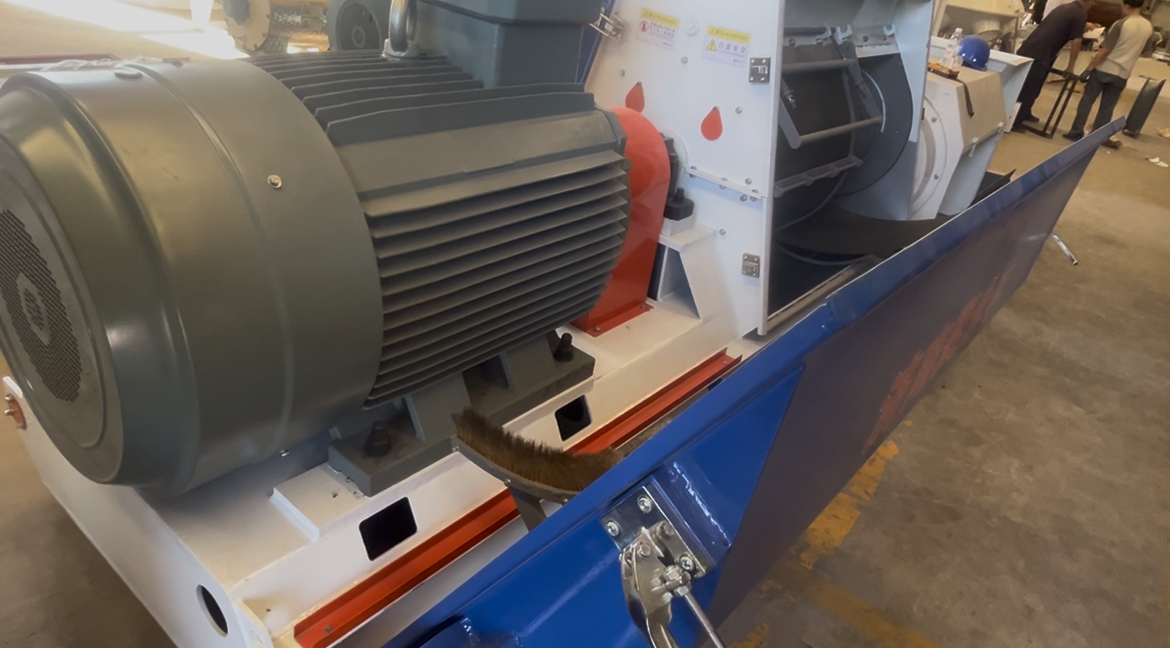
Why Feed Grinder Compatibility with Corn and Soybeans Matters
Getting good results from feed processing really depends on how well grinders work with different types of grains. Corn is tough stuff that needs serious grinding power, whereas soybeans are softer and full of oils so they need a gentler touch to keep those oils contained and prevent overheating that can ruin proteins. When there's a mismatch between the grain and the grinding equipment, the whole operation suffers. Feed ends up with uneven particles that animals struggle to digest properly, and if soybeans get too hot during processing, important proteins break down. Let's face it, grinding takes up around 70% of all the energy used in feed mills, so getting this right makes a huge difference to bottom line costs. Studies on poultry nutrition show that when particles are consistent in size, growth rates improve anywhere from 6 to 12 percent. For anyone running a feed manufacturing business, having adaptable equipment isn't just nice to have it's absolutely essential for making sure feeds deliver proper nutrition, saving money on energy bills, cutting waste, and keeping those profit margins healthy.
Physical & Compositional Differences: How Corn and Soybeans Challenge Feed Grinder Performance
Hardness, Oil Content, and Moisture: Key Factors Affecting Grinding Efficiency
Corn is way tougher on equipment compared to soybeans since it needs roughly two to three times the impact energy per kernel. This extra force really takes a toll on hammer mills and screen components over time. Soybeans tell a different story though. They naturally have around 18 to 20 percent oil content that actually acts as a lubricant inside grinding chambers. But there's a catch - all that oil leads to material sticking together and builds up faster, meaning more frequent cleaning and maintenance work for operators. Water content makes things even trickier. When corn gets processed at 14% moisture instead of the ideal 13% or below, energy consumption jumps by about 20%. And soybeans? Once they hit above 12% moisture, they start getting sticky and clog processing lines. These differences create serious problems when mixing batches, resulting in particle sizes varying by over 30%. Livestock farmers notice this right away because feed quality drops off, affecting how well animals can digest their food and absorb nutrients properly.
Flowability and Heat Sensitivity During Continuous Dual-Material Processing
The uniform granules of corn help it flow steadily through processing equipment, while the irregular shape of soybeans often causes problems in hoppers and feed chutes. This leads to inconsistent material delivery, motors working harder than they should, and sometimes complete blockages in the system. Soybean oil makes things worse too. When machines run continuously, temperatures inside can jump over 70 degrees Celsius really fast. This heat breaks down important proteins and starts chemical reactions that damage the oils. For food processors concerned about both nutrition and safety, managing this heat is crucial. Dusty environments combined with high temps create serious fire hazards. That's why many facilities install carefully adjusted air circulation systems to keep those grinding areas cool enough, ideally under 50 degrees Celsius where possible.
Hammer Mill Feed Grinder Adaptability for Corn and Soybeans
Optimizing Hammer Design, Speed, and Screen Size for Mixed-Grain Feeds
The mechanical versatility of hammer mills makes them ideal for handling both types of grain at once. Corn needs a good whack to break down properly, while soybeans benefit from a gentler approach that preserves their oils and keeps temperatures in check. Studies indicate that running the rotor around 2100 revolutions per minute along with 9 millimeter screens tends to produce just right sized particles when mixing different feeds together. Those beveled edges on the hammers really help crack open corn kernels without turning soybeans into powder. Mixing the grains first before they hit the mill actually helps balance out how hard the motor works, stops things from getting stuck inside, and boosts overall production speed. The energy savings are pretty impressive too, somewhere between 15 and maybe even 20 percent less than if we processed each grain separately.
Avoiding Overgrinding and Thermal Damage in High-Oil Soybeans
The high oil content in soybeans, around 18 to 20%, makes these beans particularly sensitive when exposed to heat. When soybeans stay in processing equipment too long or get ground into very fine particles, the friction creates temperatures over 70 degrees Celsius (about 158 Fahrenheit). This heat damages proteins and speeds up the breakdown of fats. To prevent this problem, processors should consider several approaches. Using heavier hammer mills helps reduce the amount of dust created during grinding. Installing air cooling systems right at the processing point allows excess heat to escape quickly. Keeping soybean moisture levels between 12% and 14% also works well since water naturally absorbs some of the generated heat. Monitoring temperatures continuously at the exit point is really important too. Even short periods where temperatures exceed safe limits can cut down on nutritional value by nearly a third. Choosing the right screens for sieving operations makes a big difference as well, since poor screen choices lead to material getting recirculated, which just adds more heat buildup over time.
Roller Mill Feed Grinder Limitations and Niche Applications for Dual-Grain Use
Roller mills work really well for coarse grinding of brittle grains such as corn because they compress material between two rotating rolls. But there's a problem when dealing with high oil content materials. Soybean oil tends to cause the rolls to slip against each other, which cuts down on grinding efficiency and results in particles that vary in size. Hammer mills take a different approach altogether by basically smashing things into powder form. Roller mills cut materials more cleanly though, so they can handle corn-soybean mixtures in situations where a rough texture isn't a big deal. For instance, many cattle feed formulations actually benefit from having some structural fiber intact. These machines find their sweet spot in operations where keeping the fiber structure matters more than getting perfectly uniform meal sizes. That's why we don't see them used much for precise grain combinations needed in specialized animal feeding programs.
FAQ
Why is grain compatibility important in feed grinders?
Grain compatibility is crucial because mismatched equipment can lead to inefficient grinding, wasting energy, and producing feed with uneven particle sizes that animals can't digest well.
What challenges do corn and soybeans present for feed grinders?
Corn is tougher and requires more energy to grind, while soybeans are oil-rich and can cause equipment to clog if not handled properly. Moisture levels also affect grinding efficiency and feed quality.
How do hammer mills adapt to grinding both corn and soybeans?
Hammer mills use adjustable hammer design and screen sizes, which can be optimized for mixed-grain feeds. They offer the mechanical versatility needed for handling the different characteristics of corn and soybeans.
Why might roller mills be less effective for dual-grain use?
Roller mills are less effective due to their challenge in dealing with high oil content materials like soybeans, which can cause slip and reduce grinding efficiency.

