 EN
EN

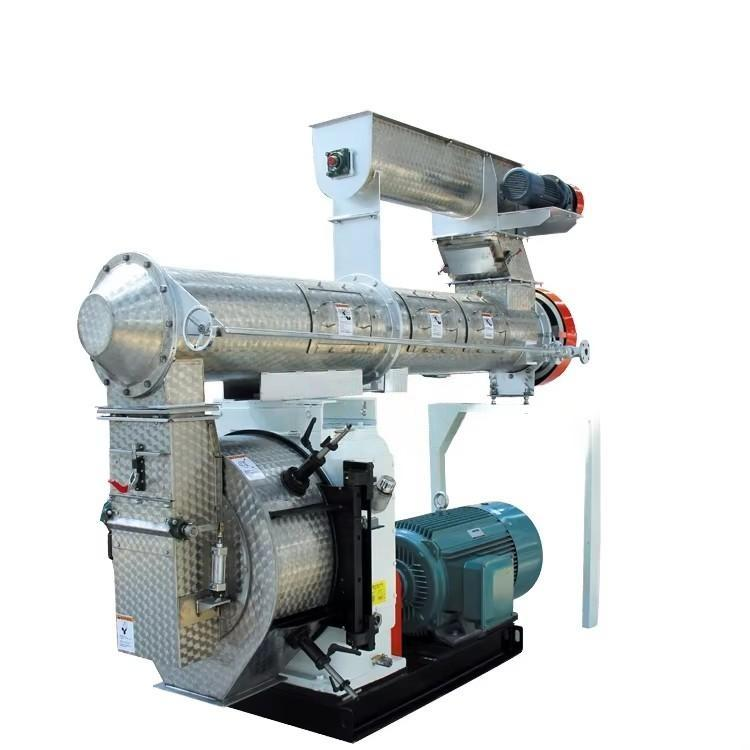
Pellet Mill Throughput Capacity and Production Rate
How Output Ton/Hour Directly Impacts Feed Mill Scalability and ROI
How much product comes out of a feed mill each hour really determines how profitable it can be and whether it can grow. Mills making less than five tons per hour typically run into problems when demand goes up, so they end up buying multiple smaller systems instead of one big one. This approach usually costs 40 to 60 percent more in upfront money. For mid-sized operations aiming at between ten and twenty tons per hour, good setup of the pellet mill equipment brings down production costs to around $18 to $22 per ton. When we get to larger industrial operations above twenty tons per hour, modern pelleting technology keeps breakdowns below 2 percent thanks to smart maintenance practices. According to research from Ponemon in 2023, this kind of reliability saves companies over seven hundred forty thousand dollars every year. Getting the most return on investment depends on matching output capacity with three main things: keeping energy usage low (around fifteen kilowatt hours per ton works well), having enough staff but not too many (one person watching fifteen tons is about right), and being able to handle changes in the market. Mills that get their production rates aligned properly tend to see returns on their investments about a quarter faster than those that don't match up their capabilities with actual needs.
Ring Die vs Flat Die Pellet Mills: Throughput, Consistency, and Application Fit
Choosing between ring die and flat die pellet mills significantly influences efficiency, output, and operational fit across different scales:
| Feature | Ring Die Pellet Mills | Flat Die Pellet Mills |
|---|---|---|
| Throughput | 1–30+ t/h (industrial) | 0.1–3 t/h (small-scale) |
| Pellet Uniformity | 98% consistency (PDI ≥95%) | 85–92% consistency |
| Energy Efficiency | 12–15 kWh/t | 18–25 kWh/t |
| Optimal Use Case | Large feed mills, 24/7 operations | Farms, research facilities, SMEs |
The ring die pellet mill has vertically spinning dies that create stronger compression forces, which makes these machines great for making dense aquatic feeds and working with biomass materials. These systems can handle throughput rates above 20 tons per hour while using about 15 percent less energy compared to their flat die counterparts. Flat die mills work differently since they compress material horizontally. They tend to be better for smaller batches and situations where flexibility matters more than sheer volume output. Some newer modular designs let manufacturers mix and match equipment too. For instance, adding flat die units alongside ring die systems helps manage those busy seasons when demand suddenly jumps, so companies get better value from their existing infrastructure. No matter what type of mill is being used though, getting steam conditioning right within around plus or minus 2 degrees Celsius difference really matters. And controlling how fine or coarse the raw material particles are before processing accounts for roughly 80% of problems seen in final pellet quality if not handled properly.
Energy Efficiency and Pelleting Efficiency in Modern Pellet Mills
Measuring Pellet Mill Efficiency: Input Power vs. Dense Pellet Output
How well a pellet mill works really depends on comparing how much energy goes in versus the dense pellets coming out. Industry folks typically look at something called specific energy consumption measured in kWh per ton to see if their machines are turning electricity into good quality pellets efficiently. When pellets are denser, there's less stuff getting lost during transport and storage, plus animals actually get more nutrition from their feed because the nutrients stay intact better. Newer equipment has gotten smarter about reducing friction inside those metal channels where the material gets compressed, while also fine tuning just how hard it presses everything together. Keeping track of these numbers day to day helps plant managers spot when things start costing too much in power bills before problems get serious, and ensures what comes off the line stays tough enough for whatever application needs it according to standard industry tests.
Variable Frequency Drives and Smart Conditioning: Cutting Energy Use by 15–25%
Variable frequency drives or VFDs can change how fast motors run on the fly based on what the production line actually needs at any given moment. This means they cut down on wasted energy when things aren't running at full capacity. Pair these drives with smart conditioning systems that handle steam pressure control, manage moisture levels, and track retention times, and something interesting happens. The combination helps reduce friction during extrusion because it allows for more consistent starch gelatinization throughout the process. What does this mean practically? Less mechanical resistance overall leads to energy savings somewhere between 15% and 25%, all while keeping those pellets strong enough for their intended purpose. There's another benefit too. Equipment tends to last longer since there's less heat buildup and mechanical strain involved. Fixed speed systems just don't stand up to this kind of wear and tear over time, making them less reliable and generally more expensive to maintain in the long run.
Pellet Quality Metrics That Define Operational Efficiency
Consistent pellet quality is central to operational efficiency, directly affecting production costs and animal performance. Key metrics guide optimization across the pelleting process.
PDI (Pellet Durability Index) as a Proxy for Feed Conversion Ratio and Waste Reduction
Pellet Durability Index or PDI basically tells us how well feed pellets hold up when they're handled around the farm. When PDI scores stay high, usually over 95% in good conditions, there's much less dust and broken bits in the feed. Animals end up eating whole pellets instead of crushed ones, which means better nutrient absorption for them. Farms that focus on optimizing their PDI see real benefits. According to recent studies across several agricultural regions, these farms report between 10% to 15% less wasted feed compared to those without such optimization. From a financial standpoint, this matters a lot because less wasted feed translates directly into savings while also helping animals grow faster, which ultimately boosts overall profitability for livestock operations.
Die Design, Steam Conditioning, and Moisture Control: Keys to Minimizing Fines
The way dies are designed makes all the difference when it comes to how dense and strong the pellets turn out. When manufacturers get the hole shapes right and set proper compression ratios, they can stop those annoying crumbles during processing. For steam conditioning, most plants run things around 80 to 90 degrees Celsius because that's what gets the starches to gel properly, which helps everything stick together better. Keeping moisture content somewhere between 12 and 15 percent is another key factor here. Too dry and the pellets become brittle, creating lots of fines that nobody wants to deal with later on. Some studies show this approach cuts down on fines by roughly 20%, which saves money in the long run. All these little adjustments work hand in hand to produce tougher pellets that don't need as much fixing up afterward, making production lines run smoother and saving operators headaches and cash at the same time.
Smart Monitoring, Control Systems, and Predictive Maintenance for Sustained Pellet Mill Performance
Today's pellet mills come with smart monitoring systems featuring those handy IoT sensors that keep an eye on things like vibration levels, temperature changes, and overall power usage. The system software actually learns over time as it analyzes all this live data coming in, picking up on subtle warning signs when parts start wearing down or getting out of alignment. When something looks fishy, it sends out maintenance alerts long before any real breakdown happens. Studies show that this kind of predictive maintenance can cut down unexpected stoppages anywhere between 40% to maybe even 60%, plus components tend to last longer because problems get fixed right away. Most plant operators now check their remote dashboards regularly where they see energy consumption patterns and what needs attention next. They can make adjustments during slower production periods instead of scrambling mid-shift. Moving away from fixing things only after they break has really changed operations for the better. Plants run smoother, pellets stay consistent in quality, and money saved on repairs adds up over years of operation.
FAQ
What factors impact pellet mill profitability?
The profitability of a pellet mill depends on throughput capacity, energy efficiency, staff allocation, maintenance practices, and market adaptability. Aligning production rates with operational goals can maximize ROI.
How do ring die and flat die pellet mills differ?
Ring die pellet mills are suitable for large-scale operations with higher throughput, while flat die mills cater to small-scale output with flexible application fit. Both types have distinct energy efficiencies and optimal use cases.
Why is PDI important in the pelleting process?
PDI indicates pellet durability during handling, affecting feed conversion ratio and reducing waste. High PDI scores lead to better nutrient absorption and less wasted feed, improving livestock profitability.
How does predictive maintenance benefit pellet mills?
Predictive maintenance reduces unexpected breakdowns and extends equipment lifespan by proactively addressing wear and alignment issues, ensuring consistent production and quality over time.

