 EN
EN

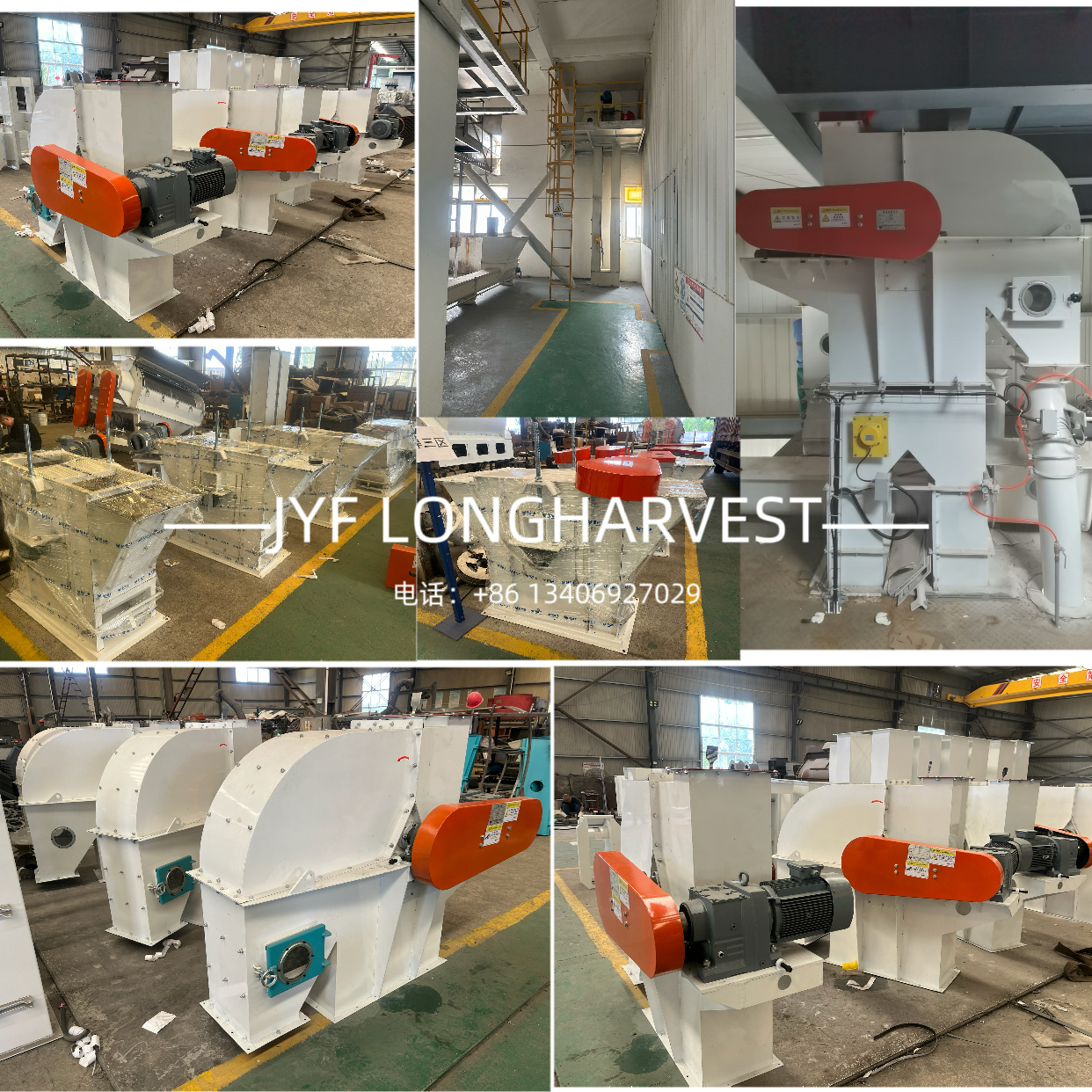
Matching Bucket Elevator Capacity to Large-Scale Feed Production Needs
How bucket elevator capacity impacts large-scale feed operations
Large scale feed processing runs into serious problems when bucket elevators aren't sized properly. These underpowered systems create bottlenecks that throw off everything further down the line. Plants often struggle when their throughput drops below about 20 tons per hour. At that point, materials start flowing inconsistently through the system, which causes mixers to run empty and extruders to jam up. This forces many facilities to operate well below their potential, sometimes as low as 60% of what they could be doing. The best performing operations solve this problem by making sure their elevators match up with the capacity of crushers and pellet mills. Smart operators actually size their equipment around 15 to 20 percent higher than what's needed for normal production. This extra capacity helps them manage those inevitable surges that happen during shift changes, allowing most lines to stay running at over 98% efficiency.
Throughput requirements for continuous grain and feed handling
Continuous feed operations require precisely matched bucket elevator capacity at each stage:
| Processing Stage | Minimum Throughput | Typical Range |
|---|---|---|
| Raw Material Intake | 25 t/h | 15-40 t/h |
| Post-Crushing Transfer | 18 t/h | 10-30 t/h |
| Pellet Cooling Line | 12 t/h | 8-20 t/h |
Balancing speed and fill efficiency in high-volume systems
Data-driven design: Matching elevator capacity to production targets
Leading processors use capacity modeling based on historical production data, including 12-month peak volumes (22% above averages), seasonal moisture fluctuations affecting bulk density, and future expansion plans. For a 100,000-ton/year poultry feed plant:
- Daily peak requirement: 28 t/h
- Design buffer (+20%): 33.6 t/h
- Final selection: 35 t/h centrifugal elevator
This approach prevents throughput mismatches during commissioning and avoids $840,000+ in retrofitting costs.
Key Types of Bucket Elevators for Agricultural Feed Processing
Centrifugal discharge bucket elevators for free-flowing feed materials
Centrifugal discharge elevators typically run between 1.2 and 1.8 meters per second, relying on rotation to throw out stuff like grain and pellets that flow freely. These machines can move well over 200 tons an hour while keeping power consumption down, which is why many big volume operations find them space efficient. The downside? Materials that are particularly rough on equipment will wear down belts and pulleys much faster than expected. Plants working with dry corn or soybean meal have found they get around 98% efficiency when everything's set right with bucket spacing and those head pulley ratios according to Feed Manufacturing Quarterly from last year. Getting these settings just right makes all the difference in day to day operations.
Continuous bucket elevators for fragile or slow-discharging feed
Continuous elevators with buckets spaced close together move at around half to three-quarters of a meter per second, allowing them to transfer delicate materials like flaked grains or extruded feeds through simple gravity action. This approach cuts down on product damage significantly, bringing breakage rates down to about 3% or less, which is way better than the roughly 15% seen in centrifugal systems according to AFIA data from 2023. Another big plus is the completely enclosed system design that keeps dust levels low and stops those moisture-sensitive feeds from picking up unwanted humidity. These machines work particularly well in industries where material integrity matters most, such as aquaculture operations and pet food manufacturing facilities that typically handle volumes below 100 tons per hour.
Positive discharge elevators for precise handling of abrasive feed
Positive discharge elevators work their magic through guided bucket paths and those handy cam-assisted mechanisms that really push out those pesky sticky or abrasive materials such as mineral additives and limestone. The result? Less material buildup and about 40 percent less wear on equipment than what we see with centrifugal models dealing with similar abrasive feeds according to Bulk Solids Processing Review from last year. These systems run at a more leisurely pace around 0.3 to 0.6 meters per second but still manage to keep things moving consistently within the range of 50 to 150 tons per hour. Sure, they come with a bigger price tag upfront because of all those special alloy parts needed, but many operations find that extra investment pays off in long term reliability when working with tough materials day after day.
Comparative analysis: Efficiency, wear, and maintenance across types
| Parameter | Centrifugal | Continuous | Positive Discharge |
|---|---|---|---|
| Max Throughput | >200 t/h | ≈100 t/h | ≈150 t/h |
| Wear Susceptibility | High (belts/pulleys) | Low | Medium (chains/buckets) |
| Maintenance Frequency | 120–200 hrs | 300+ hrs | 100–150 hrs |
| Breakage Rate | 8–15% | ≈3% | ≈5% |
| Ideal Feed Type | Free-flowing grains | Fragile extrudates | Abrasive additives |
When it comes to moving basic grains around, centrifugal systems definitely have the edge when it comes to getting things done quickly. But there's a catch - these systems need regular checkups because all that grain rubbing against surfaces causes wear and tear over time. Continuous elevators are another story entirely. They keep those fancy premium feeds looking good even though they can't move as much stuff at once. For tricky materials that just won't cooperate, positive discharge models tend to be the go-to choice most of the time. Sure, they aren't the fastest option out there, but they get the job done reliably. And here's something important to remember: nobody cares so much about how much money was spent upfront as they do about whether the equipment actually lasts through all those different types of materials. Flowability matters, sure, but so does how rough on machinery certain products can be and whether they break apart easily during transport.
Evaluating Feed Material Characteristics in Bucket Elevator Selection
Handling free-flowing vs. cohesive feed types in bucket elevators
Grains that flow easily like corn and wheat work great in centrifugal elevators because the fast discharge helps move them along efficiently. On the other hand, sticky stuff such as soybean meal tends to bridge together and needs different handling. These materials typically need continuous discharge systems that slowly pour the product at controlled speeds to keep things moving smoothly, often reaching flow rates above 500 tons per hour when properly set up. The fill efficiency makes a big difference too. Free flowing materials can get filled into buckets at around 90% capacity or better, but cohesive materials might only reach about 75% unless the system is specifically designed for them.
Protecting fragile feed from degradation during elevation
Grain handling research shows that fragile feed pellets often break apart by around 15% when moved through traditional elevator systems. The good news is continuous bucket conveyors cut down on this problem quite a bit. They do this by keeping drop distances short, creating softer landing areas for the pellets, and running belts at slower speeds than 2.5 meters per second. Some systems even line their buckets with polyurethane material that soaks up shocks during transport. This makes all the difference in maintaining those delicate pellets intact throughout the process. For operations dealing with premium specialty feeds where every gram counts, these improvements really matter in reducing costly waste.
Managing abrasive feed to extend elevator lifespan
Mineral supplements and other abrasive substances tend to wear down equipment parts at around three times the rate compared to regular grains. For dealing with silica rich materials, many operators switch to hardened steel buckets equipped with those tough AR400 liners that really stand up to the grinding action. The continuous discharge system design makes all the difference too since it cuts down on that harsh scooping motion which wears things out so fast. We've seen shops cut their bucket replacement schedule nearly in half just by making this change. Combine quality materials with regular checks on those chain joints and replacing rollers when needed instead of waiting until they fail completely. Most systems will easily last past 10 thousand operating hours with proper maintenance practices in place.
Design and Operational Standards for Food-Grade Bucket Elevators
Design standards for food-safe bucket elevator systems
When it comes to food grade bucket elevators, keeping things clean and preventing contamination should be top priorities. Good design starts with surfaces that are smooth and free from crevices, plus those rounded corners everywhere possible. These features help stop bacteria from hiding out and materials from getting stuck in hard to reach spots. Many modern systems now come equipped with cleaning in place technology that lets operators run thorough wash cycles without taking anything apart, which makes daily hygiene checks much easier. According to recent studies published in the Food Safety Journal back in 2023, following these hygienic design standards under ISO 14159 actually cuts down on allergen cross contamination risks by around 72% in grain processing facilities. And don't forget about easy access points throughout the equipment either. Regular inspections and routine maintenance work best when technicians can actually get to all the parts they need to check, something that becomes increasingly important over time as regulations continue to tighten across the industry.
Corrosion-resistant materials and sanitary construction practices
When building elevators for food processing areas, stainless steel grades 304 and 316 have become go-to materials because they stand up well against both moisture and harsh cleaning chemicals. Industry pros recommend several key approaches for these installations. First off, electropolishing the welds helps get rid of those tiny pores where bacteria might hide. The surfaces need to be completely non-porous too so microbes don't stick around. Quick release mechanisms make it easier to take things apart when needed, and all the seals and gaskets should meet FDA standards. Equipment built this way can handle constant high pressure washing and even acidic cleaners that would eat away at lesser materials. Food processors report that following these guidelines typically adds about 40% more lifespan to their equipment, which is a big deal considering how strict the global food safety regulations have gotten in recent years.
FAQ
What is the main benefit of using centrifugal discharge bucket elevators?
Centrifugal discharge bucket elevators are ideal for moving large volumes of free-flowing materials quickly and efficiently, with a capacity often exceeding 200 tons per hour.
Why are continuous bucket elevators preferred for fragile materials?
Continuous bucket elevators are preferred for handling fragile materials as they reduce breakage rates to about 3% or less due to their slower speed and gravity action discharge, which minimizes product damage.
How does proper sizing of bucket elevators affect feed processing lines?
Proper sizing of bucket elevators prevents bottlenecks and enhances operational efficiency, resulting in a consistent flow of materials through feed processing lines and reducing bottlenecks.
What materials are recommended for food-grade bucket elevators?
Stainless steel grades 304 and 316 are recommended for food-grade bucket elevators due to their resistance to moisture and cleaning chemicals, ensuring a sanitary environment.

