 EN
EN

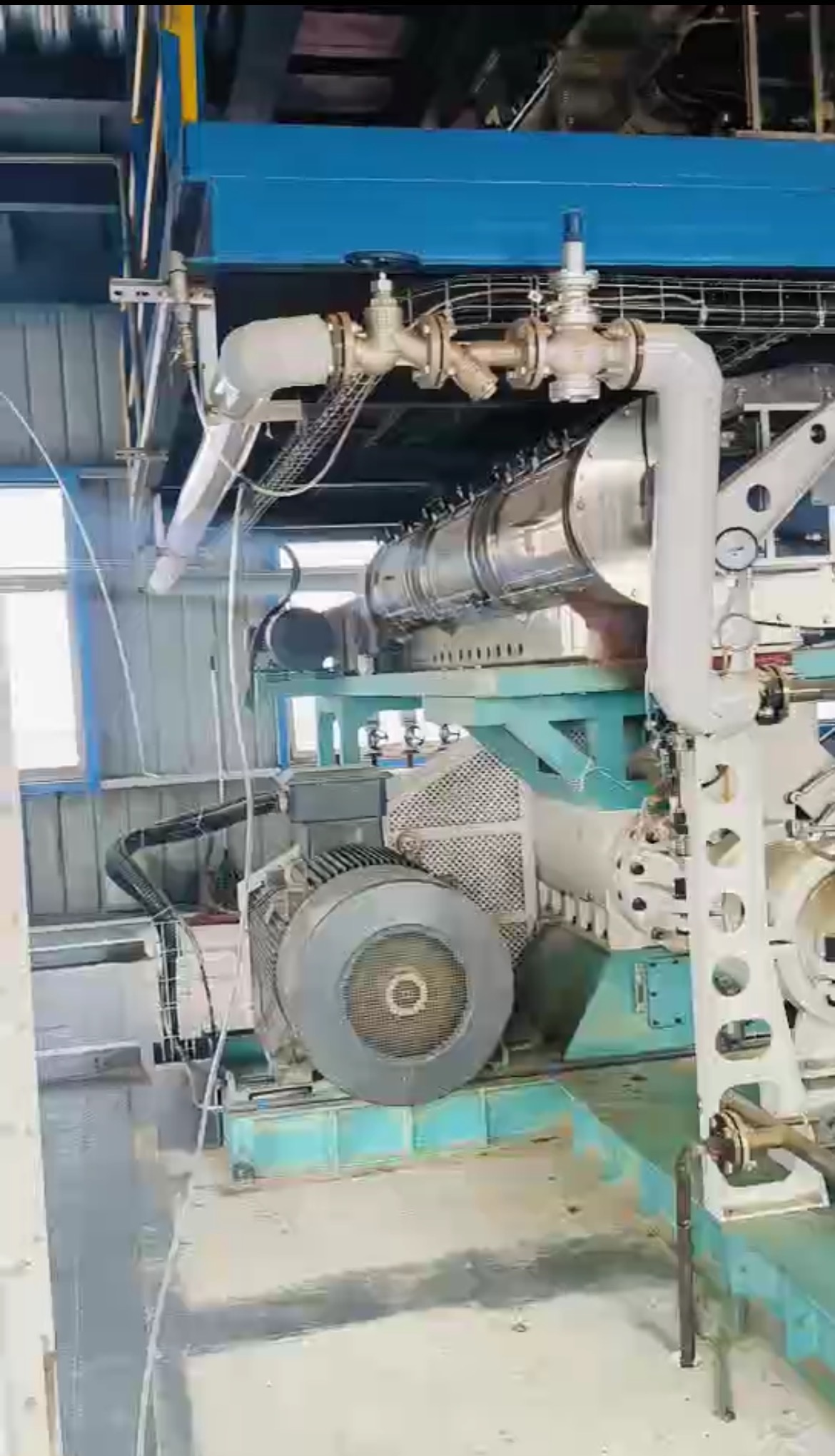
Understanding the Feed Extruder's Role in Aquatic Feed Digestibility
What is a feed extruder and how it functions in aquaculture
Feed extruders are basically machines that take all sorts of raw materials and turn them into those uniform pellets packed with nutrients. The way they work is pretty interesting actually - when proteins, carbs, and fats get pushed through a heated barrel at high pressure, something happens to the starches and proteins that makes them easier for animals to digest. An added bonus? The whole heating process kills off nasty stuff like Salmonella, which means safer feed overall. Plus, the pellets hold up better in water, so fish farmers don't have to worry about their feed dissolving too quickly in aquaculture tanks.
Key mechanisms: Heat, moisture, and pressure in the extrusion process
Extruders improve digestibility through three interconnected forces:
- Heat: Temperatures of 120–150°C gelatinize starches, converting them into easily digestible carbohydrates.
- Moisture: Steam injection (18–25% moisture) softens raw materials and ensures uniform heat transfer.
- Pressure: Shear forces within the barrel (20–40 bar) rupture plant cell walls, releasing bound nutrients.
This combination denatures anti-nutritional factors in plant proteins and increases surface area for enzymatic action in fish digestive tracts.
Extruded feed versus conventional feed: Differences in digestibility
Extruded feeds outperform conventional pelleted feeds across key metrics:
| Characteristic | Extruded Feed | Conventional Feed |
|---|---|---|
| Starch digestibility | 90–95% | 60–70% |
| Water stability | 12–36 hours | 2–6 hours |
| Pathogen reduction | 99% sterilization | Limited effectiveness |
Species such as tilapia and shrimp show 15–20% improved feed conversion ratios with extruded feeds due to enhanced nutrient absorption (FAO 2023). The porous structure of extruded pellets also slows consumption, reducing waste and water pollution.
Starch Gelatinization and Enhanced Energy Availability Through Extrusion
How High Temperature and Pressure Induce Starch Gelatinization
Feed extruders work by combining specific amounts of heat around 120 to maybe even 150 degrees Celsius with mechanical pressure somewhere between 10 and 20 bars. This combination breaks apart the crystalline structure of starch. When this happens, the starch molecules come into contact with moisture which starts the gelatinization process. What actually occurs during this process is that the starch granules begin to swell and eventually create what's known as a digestible gel matrix. According to various studies on thermal processing, these particular conditions can boost starch accessibility for enzymes to break it down by roughly 40 to 60 percent when compared against raw materials without any processing at all.
Impact of Gelatinized Starch on Nutrient Absorption in Fish Like Tilapia
Gelatinized starch improves energy availability for omnivorous species, with tilapia showing 18–25% higher glucose uptake from extruded feeds. The expanded surface area enables efficient amylase enzyme action, which is critical for fish adapted to carbohydrate-rich diets. This translates into measurable improvements in feed conversion ratios across growth stages.
Moisture and Temperature Optimization for Maximum Starch Digestibility
Optimal starch transformation requires balancing moisture (20–30%) and temperature during extrusion. Excessive heat risks Maillard reactions that bind nutrients, while insufficient moisture limits gelatinization. Modern extruders use real-time monitoring to maintain this balance, achieving starch digestibility rates exceeding 85% in species like carp and catfish.
Protein Denaturation and Anti-Nutritional Factor Inactivation in Extruded Feeds
Structural Changes in Proteins During Extrusion and Improved Digestibility
When we apply controlled heat between 120 and 150 degrees Celsius along with mechanical shear forces, it actually breaks down those complicated protein structures. This process exposes the peptide bonds so they can interact better with digestive enzymes. According to research from Mansour and colleagues back in 1993, this denaturation makes proteins much easier to digest for creatures such as shrimp, improving their digestion rates by around 18 percent when compared to regular non-extruded feed options. Looking at actual utilization rates, aquatic animals manage to absorb about 92 to 95 percent of the soy protein after extrusion treatment, while only getting through roughly 78 to 82 percent from raw materials. The difference comes down to how well the structure has been optimized during processing.
Inactivation of Anti-Nutritional Factors Such as Proteinase Inhibitors
The extrusion process effectively gets rid of those pesky heat-sensitive anti-nutrients such as trypsin inhibitors found in many plant-based ingredients, which makes it particularly beneficial for omnivorous fish species. Take soybean meal for instance when heated to around 135 degrees Celsius during processing, this method cuts down on lectin activity by about 94 percent and knocks out protease inhibitors by roughly 88%. These numbers come from recent research published by Osuna Gallardo and colleagues back in 2023. What does all this mean? Well, not only does it help maintain the availability of essential amino acids but it also removes substances that can irritate the digestive tract of aquatic animals. Pretty important stuff when trying to develop better sustainable feed options for fish farming operations.
Balancing Heat Exposure to Preserve Nutrients While Reducing Anti-Nutrients
Optimal extrusion achieves a 15–30-second residence time at 130–140°C, destroying 85–90% of anti-nutritional compounds without degrading lysine. Real-time moisture sensors maintain 18–22% preconditioning humidity, preventing overactivation of Maillard reactions that could compromise protein quality (Faliarizao et al., 2024).
Fiber and Nutrient Matrix Modification for Better Gut Health
How Extrusion Alters Fiber Structure and Enhances Plant-Based Feed Utilization
When we apply heat around 120 to 150 degrees Celsius along with mechanical force, something interesting happens to those tough fibers found in soybean meal and wheat bran. They transform from being hard to digest into forms that can actually be broken down and used by animals. Take barley for example its beta glucans become about 40 percent more available after going through this process. Chicory root contains inulin too, which becomes much better at supporting gut health once processed this way. The real-world impact? Fish farmers have noticed that their carp and shrimp populations get roughly 15 to 20 percent extra energy when fed these specially treated plant materials compared to regular feed without such processing. Makes sense why many aquaculture operations are starting to adopt this method despite the initial investment costs.
Nutrient Breakdown and Its Implications for Aquatic Species’ Gut Health
The process of extrusion breaks down those tough plant cell walls, which frees up nutrients like phosphorus and various amino acids that were previously trapped inside. Research published last year showed something pretty interesting too – when tilapia eat extruded feed, their hindguts produce around 35% more short-chain fatty acids (SCFAs). These SCFAs help build up the gut lining and actually cut down on inflammation issues. What's really cool is how extrusion knocks out most of those pesky legume lectins, somewhere between 80 to 90 percent reduction. This makes it possible to safely include more plant-based proteins in animal feeds. And we're seeing real results already. The latest shrimp breeds are able to digest about 22% more plant protein from extruded feeds than what was possible with conventional methods back in the day.
Enhancing Nutritional Value of Sustainable Aquafeeds Through Extrusion
When they get the fiber solubility right around 55 to 65 percent, extruders can actually handle much more algae content in feed formulas, sometimes as high as 25%, along with decent amounts of insect meal too, maybe 15% to 20% without messing up the pellets. Some recent research on gut microbes found something interesting: when fish eat these processed plant fibers, their intestines start growing more Bacteroidetes bacteria, roughly 30% increase in population. And this matters because those bacteria help make vitamin K and regulate immunity. The real-world benefits are pretty impressive too. Salmon raised on these mixed plant-based diets have been shown to convert food into body mass at a rate of about 1.15 FCR, which beats the standard 1.35 rate from regular commercial feeds. Makes sense why more farms are looking at this approach.
Optimizing Extrusion Parameters for Maximum Digestibility
Temperature, Moisture, and Screw Speed: Their Combined Effect on Feed Quality
How well we control the extrusion process has a big impact on how digestible animal feed becomes. When we set the barrel temperature between about 130 to 150 degrees Celsius and maintain around 18 to 22 percent moisture content, the starch gets much more gelatinized than regular pellet methods according to recent research from the Food and Agriculture Organization (2023). The screw speed matters too. Running it at approximately 250 to 400 revolutions per minute creates just enough shear force to break down those tough cellulose fibers without damaging the amino acids that are sensitive to heat. Going overboard with the heat can actually cut lysine availability by roughly 12%, but if we don't process enough, harmful substances stay in the feed. This shows why getting all these settings right is so important for producing quality feed products.
Data-Driven Strategies: Linking Extrusion Settings to Digestibility in Salmonids
Salmon trials show optimal protein retention (25%) requires:
- 142°C ±3°C exit temperatures
- Screw compression ratios of 1:3.5
- 90-second retention times
These settings increased protein digestibility to 92% in Atlantic salmon, up from 78% with non-optimized feeds (Aquaculture Nutrition 2024). Machine learning models now predict digestibility with 89% accuracy by analyzing 15 extrusion variables, enabling species-specific adjustments based on digestive physiology.
Real-Time Monitoring and Smart Systems in Precision Extrusion Technology
Today's extruders come equipped with IoT sensors capable of monitoring viscosity changes and temperature profiles at intervals as short as 50 milliseconds. The information collected gets sent to automated control systems which tweak screw speeds within about plus or minus 5 RPM range to keep starch gelatinization on target. According to research published in the 2024 Extrusion Parameters Study, these smart systems cut down on nutrient loss fluctuations by roughly 18 percent while boosting overall production output by around 22% when compared against traditional manual methods. Manufacturers are starting to see real benefits from this technology integration.
FAQs
What is a feed extruder?
A feed extruder is a machine that processes various raw materials into nutrient-rich pellets, making them easier to digest for animals.
Why is extrusion beneficial for aquatic feed?
Extrusion enhances digestibility, improves water stability, and effectively reduces pathogens, resulting in safer and more efficient feed for aquatic species.
How does extrusion improve starch digestibility?
Extrusion uses heat, pressure, and moisture to gelatinize starch, converting it into a digestible form that enhances nutrient absorption.
How are anti-nutritional factors eliminated during extrusion?
The controlled heat and pressure during extrusion denature proteins and deactivate anti-nutritional factors like proteinase inhibitors.
Table of Contents
- Understanding the Feed Extruder's Role in Aquatic Feed Digestibility
- Starch Gelatinization and Enhanced Energy Availability Through Extrusion
- Protein Denaturation and Anti-Nutritional Factor Inactivation in Extruded Feeds
- Fiber and Nutrient Matrix Modification for Better Gut Health
- Optimizing Extrusion Parameters for Maximum Digestibility
- FAQs

