 EN
EN

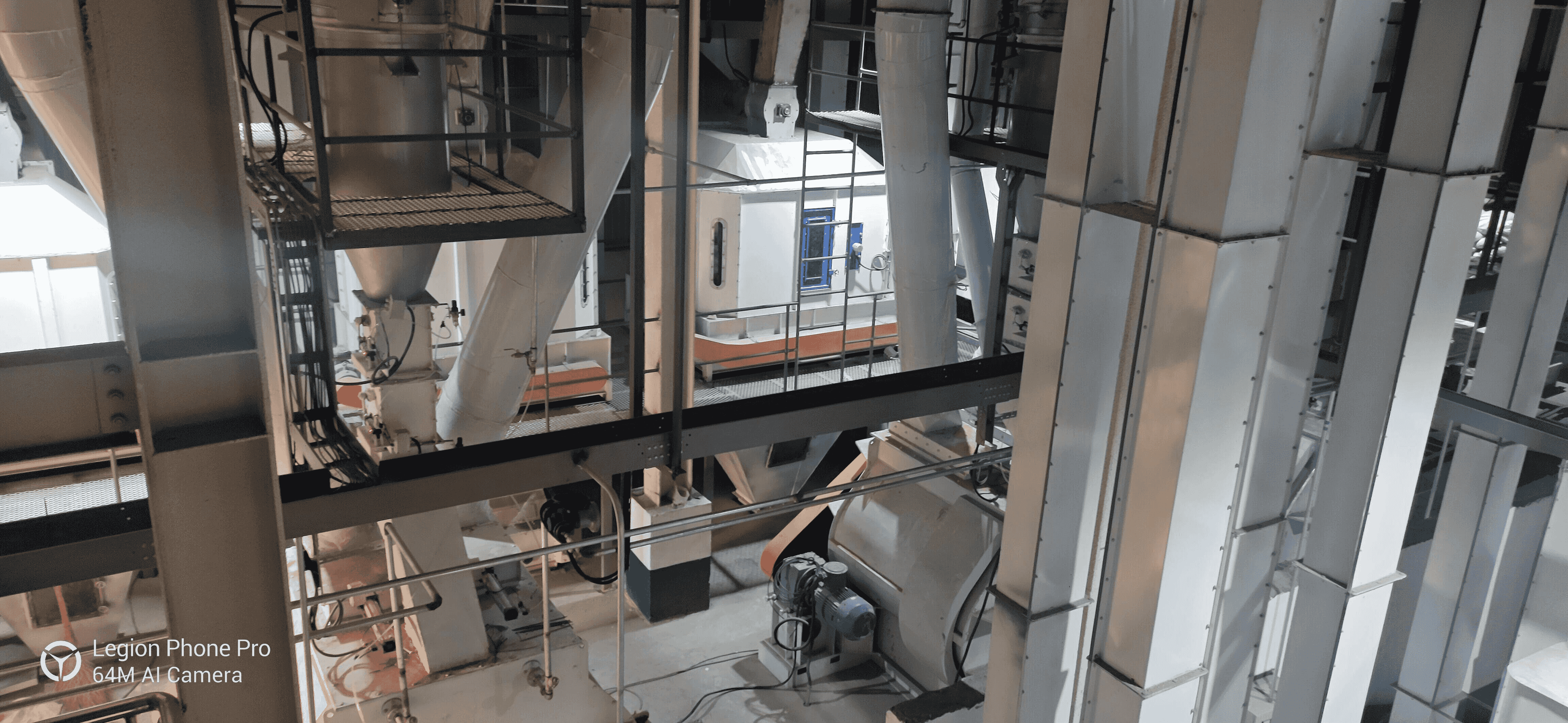
Machine Guarding: Installation, Design, and Risk Prevention
Effective machine guarding reduces injury risks by 72% in feed processing operations (OSHA 2023). To maximize protection, facilities must address three critical areas: physical safeguards, maintenance protocols, and proactive hazard analysis.
Best Practices for Installing Protective Covers to Prevent Injury
Industry guidelines emphasize bypass-resistant designs for rotating components like pulleys and shafts. Fixed interlock shields at material entry points prevent access during operation while maintaining visibility. A 2024 study found facilities using integrated safety systems reduced hand injuries by 64% compared to retrofitted solutions.
Maintenance Protocols for Effective Machine Guards on Feed Processing Equipment
Guards need to be checked monthly for proper fastening, interlock switches must work correctly, and those clear viewing panels shouldn't have cracks or damage. Testing emergency stops once a year isn't just good practice it's essential. Studies show about one out of every five worn parts won't stop machinery fast enough when needed, sometimes taking over half a second longer than allowed. The Industrial Safety Journal reported this finding back in 2023. When companies stick to regular testing schedules, they stay compliant with regulations and avoid situations where machines keep running even after someone hits the emergency button. Nobody wants to deal with that kind of delay when seconds matter most.
Case Study: Injuries Caused by Flywheel Lacking Safety Shield
At a feed mill somewhere in the Midwest, an operator lost part of his arm after getting caught in a 450 RPM flywheel that wasn't properly guarded. The investigation showed the safety cover had been taken off to reach some parts for oiling but was never put back on. That oversight led to a workers' comp payout of almost $290,000 - money that could have gone to something else entirely. What this shows is how critical it is for maintenance crews to follow proper procedures. Guards need to be replaced right away once work is done, not just left hanging around until someone forgets they're missing. Many plants have written policies about this, but real change happens when supervisors actually enforce them consistently across shifts.
Risks of Missing Dust-Proof Cover at Small Material Inlet
Unprotected 8–12mm material ports create dual hazards: fugitive dust ignition risks under NFPA 654 Standard and finger amputation potential during flow monitoring. Facilities using properly secured inlet covers reported 89% fewer particulate-related combustion incidents, demonstrating that small design improvements yield significant safety returns.
Design Flaws – Unreasonable Feeding Inlet Length and Operator Exposure
Inlet tubes exceeding 300mm force operators to lean over machinery, increasing entanglement risks. Recent safety recalls identified 14 feed mixer models with non-compliant 320–400mm inlet designs requiring retrofitting. Redesigning inlets to meet ergonomic and safety standards eliminates unnecessary reach zones and aligns with OSHA’s principle of minimizing operator exposure.
Lockout/Tagout (LOTO) Procedures for Safe Maintenance Operations
Compliance with Lockout/Tagout (LOTO) Procedures in Feed Processing Plants
When feed processing plants focus on LOTO compliance, they see a dramatic drop in maintenance injuries – around 64% less according to recent industry safety reports from BradyID (2023). Getting this right means making sure every possible energy source is cut off before anyone starts working on machinery. That includes electricity, hydraulics, and mechanical systems too. Plants that actually write down their verification steps tend to get hit with about 89% fewer OSHA citations compared to places where workers just wing it. Makes sense really, because having clear written procedures keeps everyone on the same page and reduces mistakes that could lead to serious accidents down the line.
Step-by-Step LOTO Implementation for Feed Processing Machines
A standardized 6-step process ensures safe maintenance:
- Notify operators before planned shutdowns
- De-energize equipment using machine-specific isolation points
- Apply locks/tags with unique worker identifiers
- Release residual energy from capacitors or flywheels
- Verify isolation through voltage/pressure testing
- Confirm safety with a trial startup post-maintenance
This sequence prevents accidental re-energization and reinforces individual responsibility during servicing. Verification at step five is especially critical–skipping it accounts for nearly half of LOTO-related near-misses.
Controversy Analysis: Partial LOTO Adherence Despite Regulatory Requirements
Even after OSHA raised penalties by 32% last year for lockout/tagout violations, nearly one in five facilities still cut corners on energy verification just to keep production moving. The problem really comes down to competing priorities at management level. According to a recent National Safety Council study from 2024, almost 27% of maintenance supervisors say they get pushed to speed up repairs when business is busy. Fixing this issue means getting everyone in the organization on the same page about safety first. When leaders actually treat workplace safety as something that can't be compromised, not just another item on the checklist, things start to change.
Personal Protective Equipment (PPE) and Operator Readiness
Wearing Appropriate Personal Protective Equipment (PPE) During Operation
When working around machines, operators need proper PPE for different dangers. Impact-resistant goggles protect against flying bits, cut-proof gloves handle sharp edges, and respirators keep dust out of lungs. Companies that actually enforce complete PPE rules see about 60 fewer injuries from machinery accidents than those places where people only sometimes follow safety gear requirements according to recent BLS data from last year. A lot of workers still mess up though. Some folks reuse single-use masks past their 8-hour limit which makes them useless, while others wear baggy clothes too close to spinning machine parts. Both these mistakes create real safety risks on the job site.
Pre-Operation Safety Checklist: General Checks and Personal Protection
Before starting equipment, operators should verify:
- All guards are secured (cross-reference with machine guarding protocols)
- No jewelry or unrestrained hair poses entanglement risks
- Anti-slip footwear with steel toes is worn
Validated pre-use inspections reduce jam-related accidents by 42% (Journal of Agricultural Safety, 2024), with checklists improving compliance rates from 54% to 89% in controlled studies. Integrating these checks into daily routines builds a culture of accountability.
Real-World Incident: PPE Failure Due to Improper Selection
A worker at an Australian feed mill lost his hearing permanently back in 2023 when he wore regular earplugs rated for 29 dB noise reduction instead of the proper noise-canceling headphones that should have offered 32 dB protection during operation of a 95 dB pellet press machine. The cost? Around $740,000 in compensation claims. This tragic but entirely avoidable accident highlights something important about workplace safety. When matching personal protective equipment specs to actual machine noise levels and hazard assessments, generic solutions just don't cut it in environments where workers are constantly exposed to dangerously loud machinery.
Operator Training and Emergency Preparedness
Proper Training for All Operators with Focus on Equipment Safety
Good training mixes classroom time with actual practice so workers can spot hazards and know what to do when problems arise. Regular tests help make sure everyone understands where things can go wrong mechanically, especially around those dangerous spots near augers or roller mechanisms that catch clothing or body parts. Plants that run monthly safety reviews instead of waiting for yearly sessions saw a drop in accidents caused by operators themselves by about one third according to last year's industry report. Real situations matter too - think about sudden power spikes or equipment jams. Workers need to learn how to shut things down quickly in these cases before anyone gets hurt.
Importance of Reading the Manual Thoroughly Before Operation
Equipment manuals outline critical safety thresholds often overlooked during routine operations. For example:
| Manual Section | Safety Impact |
|---|---|
| Torque Limits | Prevents belt slippage during high-load phases |
| Emergency Stop Locations | Reduces reaction time by 2–3 seconds during jams |
Ignoring these guidelines can lead to motor burnout or ejection injuries, as seen in a 2022 incident where improper speed settings caused a pellet mill explosion. Ensuring every operator reviews and understands the manual mitigates preventable failures.
Having an Emergency Plan in Place for Mechanical Failures or Injuries
Facilities need to keep those laminated emergency charts right next to the feed processing equipment where workers can see them clearly. These charts should show exactly how to shut off power fast, what to do when someone gets crushed, and who needs to be called if there's an electrical fire situation. Factories that started running these modular drill sessions saw their response times drop quite a bit according to recent OSHA reports, somewhere around 40% improvement overall. When companies stick with quarterly practice runs, employees actually start remembering where those exit paths are and how to find those emergency stop buttons. After a few rounds through these exercises, most staff members just know instinctively what comes next during real emergencies.
Trend Analysis: Rise in Simulation-Based Training for Feed Processing Machines
Virtual reality training programs can simulate dangerous situations such as when bearings start to overheat or when chain drives fail all without any actual risk involved. According to a recent report from the Agri-Safety Council in 2024, mills that incorporated AR guidance systems into their new employee training saw almost 60 percent fewer mistakes made by people just starting out. The food processing sector faces constant challenges with temporary staff coming and going throughout different seasons. These VR solutions help keep everyone safe regardless of how long they've been around, which makes sense given how quickly new hires need to get up to speed these days without compromising workplace safety standards.
Operational and Maintenance Safety Best Practices
Proper startup and shutdown procedures prevent 25% of equipment failures linked to abrupt power cycling (Ponemon 2023). Always follow the manufacturer’s recommended sequence–allow hydraulic systems to pressurize gradually and let motors reach operating temperature before full load.
Safe Feeding Practices – Avoiding Jams and Material Ejection
Use feed chutes with tapered designs matching material flow characteristics. Operators should maintain 30–50% chute capacity to reduce rebound risks, as overfilling causes 40% of ejection incidents in granulators. Consistent feeding improves both safety and throughput efficiency.
Avoiding Machine Overload – Impact on Motor and Structural Integrity
Monitor amperage draw through integrated sensors, keeping motor loads below 85% of rated capacity. Overloads exceeding 15% of specifications accelerate bearing wear threefold while risking frame warpage in pelletizers. Real-time monitoring enables early intervention and extends equipment life.
Industry Paradox: Balancing High Throughput Demands with Safe Operating Limits
68% of facilities pushing equipment beyond designed capacities report 22% more safety incidents annually. Implementing load-limiting controllers that automatically throttle input when exceeding safe mass-flow rates helps reconcile productivity goals with operational safety. Sustainable output depends on respecting engineering limits.
Regular Maintenance, Inspection, and Clean Work Environment Protocols
A 2025 study of manufacturing maintenance programs found facilities using preventive strategies had 30% less unplanned downtime. Key actions include:
- Replacing worn auger flights every 800 operating hours
- Checking belt tension biweekly with laser alignment tools
- Conducting infrared scans quarterly to detect electrical hotspots
These measures not only enhance reliability but also identify emerging hazards before they result in failure or injury. A clean, organized workspace further supports consistent inspection quality and safe access to critical components.
FAQs
What is machine guarding and why is it important?
Machine guarding involves using protective covers and systems to prevent access to hazardous machine components. It's crucial for reducing injury risks, particularly in feed processing operations.
How often should machine guards be checked?
Machine guards should ideally be checked monthly for proper fastening and functionality. Regular inspections ensure compliance with safety standards and prevent accidents.
What are Lockout/Tagout (LOTO) procedures?
LOTO procedures are safety protocols that ensure machines are de-energized and cannot be started during maintenance or repair activities, preventing accidental operation that can cause injuries.
What PPE should operators wear during machine operations?
Operators should wear impact-resistant goggles, cut-proof gloves, and respirators to protect against machine-related hazards. Adhering to complete PPE rules significantly reduces the risk of injuries.
Why is simulation-based training beneficial for feed processing machines?
Simulation-based training programs allow operators to experience dangerous situations without risk, enhancing their ability to respond effectively during actual emergencies and reducing mistakes.
Table of Contents
-
Machine Guarding: Installation, Design, and Risk Prevention
- Best Practices for Installing Protective Covers to Prevent Injury
- Maintenance Protocols for Effective Machine Guards on Feed Processing Equipment
- Case Study: Injuries Caused by Flywheel Lacking Safety Shield
- Risks of Missing Dust-Proof Cover at Small Material Inlet
- Design Flaws – Unreasonable Feeding Inlet Length and Operator Exposure
- Lockout/Tagout (LOTO) Procedures for Safe Maintenance Operations
- Personal Protective Equipment (PPE) and Operator Readiness
- Operator Training and Emergency Preparedness
- Operational and Maintenance Safety Best Practices
- FAQs

