 EN
EN

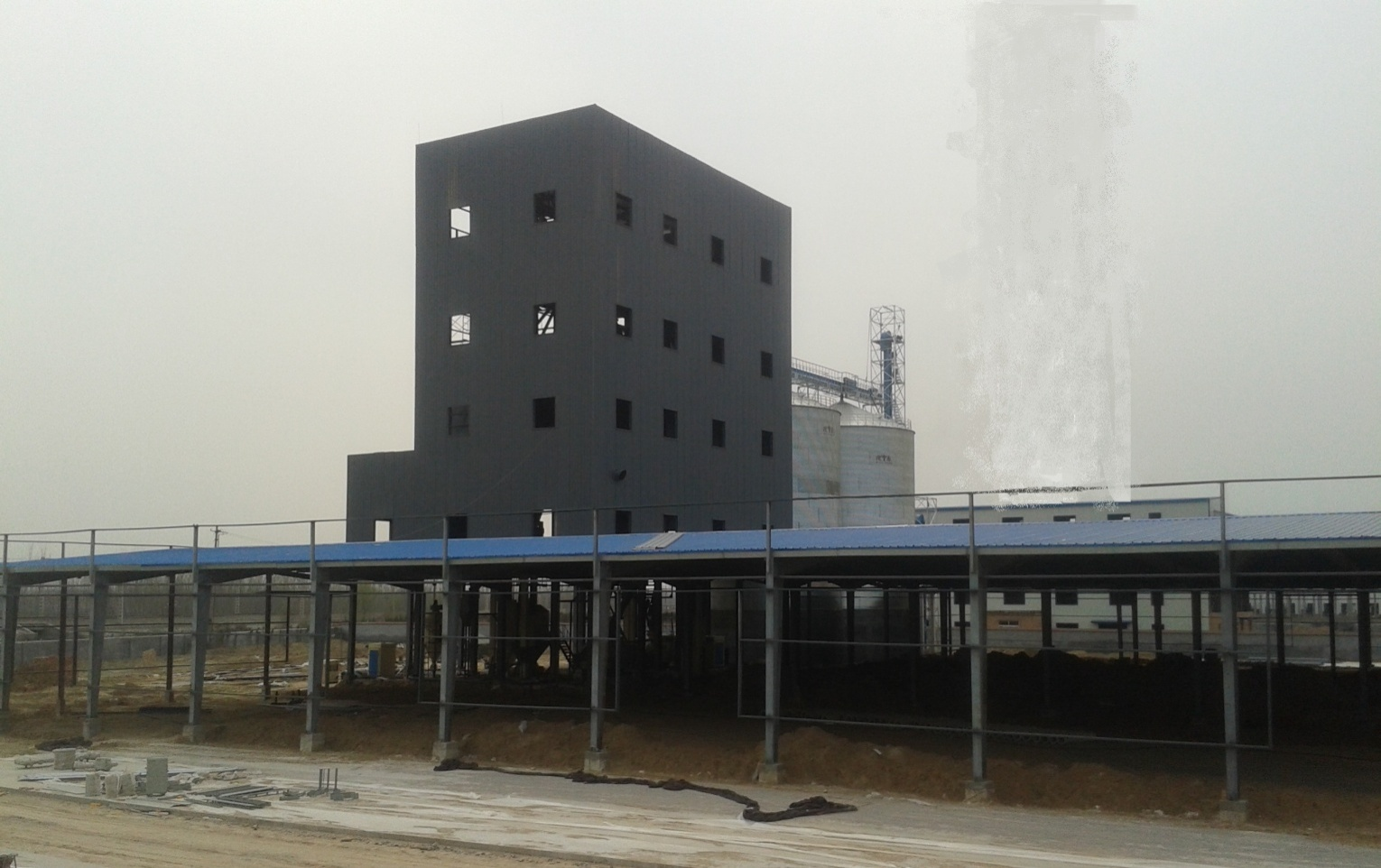
Pelleting Systems for Customized Feed Formulations
How Adjustable Conditioning and Pelleting Controls Enable Formula-Specific Density and Durability
Today's pelleting systems can tweak several factors including temperature, moisture levels, and how long materials stay in the system to get just the right pellet quality. When making feed for fish farms that need lots of protein, operators usually bump up the steam conditioning temperature between 85 and 90 degrees Celsius. This helps turn starches properly and keeps the pellets stable in water. On the flip side, chicken feed often needs lighter pellets so they don't spend as much time being conditioned. The feeders on these machines have variable speeds which help keep things flowing smoothly even when production changes. This matters because it stops important ingredients like vitamins and enzymes from getting damaged by too much heat. With all these adjustments possible, modern pellet systems produce really tough pellets that typically score over 95% on durability tests. These strong pellets work well for moving through air systems without losing their nutritional value.
Quick-Change Die & Roller Technology: Reducing Changeover Time by Up to 68%
The traditional method of replacing dies involves taking out bolts, getting everything aligned properly, and checking the torque settings, which typically takes anywhere from 45 minutes right up to almost an hour and a half for each switch. Quick change systems have revolutionized this with their hydraulic clamping mechanisms and parts that automatically align themselves, allowing formula changes to happen within just 15 minutes or so. One big company in North America saw their changeover time drop by nearly two thirds when they switched to these tool free housing systems. This translated into roughly 9,200 extra metric tons produced every year. The roller adjustment feature also handles all sorts of different material textures without compromising on compression strength or the quality of the pellets coming out. Whether dealing with tough fibrous soybean meal or something as fine as limestone powder, these systems maintain performance standards across the board.
Real-Time Quality Control: Integrating Pellet Sensors with Automated Recipe Adjustment
Inline near infrared or NIR sensors keep track of pellet moisture levels with around half a percent accuracy plus they check how hard the pellets are getting, sending all this info straight to those PLC boxes on the factory floor. If things start going off track by more than three percent compared to what's supposed to happen, the whole system kicks in pretty fast actually within eight to twelve seconds depending on conditions and starts tweaking either the steam valves or changing how fast stuff gets fed into the process. The result? No more rejected batches which used to cost manufacturers between twelve thousand and eighteen thousand dollars each time something went wrong. Plus it keeps the quality consistent no matter what kind of recipe is running through the mill at any given moment.
Case Study: Multi-Formula Pellet Mill Performance in a Southeast Asian Aquafeed Facility
A shrimp feed producer operating 12 recipes daily implemented modular pelleting with automated controls. Post-installation results included:
- 25% higher throughput, despite a 30% increase in daily recipe changes
- Pellet uniformity improved from 82% to 96% compliance with specification
- Energy usage per ton dropped 11% through optimized conditioning
The PLC-driven system reduced manual interventions by 75%, enabling smaller, more responsive batch sizes for niche formulations.
Key Benefits of Modular Pelleting Systems in Custom Feed Production
- Recipe agility: Switch formulations in <15 minutes using stored recipe profiles
- Precision durability: Achieve species-specific hardness—e.g., rapid-sinking versus floating feeds
- Waste reduction: Real-time adjustments minimize off-spec production by up to 7%
- Scalability: Expand capacity without replacing core pelleting machinery
Extrusion Technology for Species-Specific Feed Customization
Single- vs Twin-Screw Extruders: Matching Shear and Residence Time to Feed Requirements
The choice between different extruder types makes a real difference when it comes to keeping nutrients intact and getting the right physical characteristics in animal feed. Single screw models are pretty straightforward for basic formulas, but twin screw setups give much better control over things like shear force and how long materials stay inside during processing. This matters a lot for complicated feeds with multiple ingredients. Twin screw machines actually allow about 40 percent more flexibility in formulations because they can adjust mechanical energy so precisely. They also have separate temperature areas for step-by-step cooking processes, plus screw speeds that range from 20 to 300 RPM depending on what kind of texture is needed. These features let producers fine tune feed density somewhere around 300 to 500 grams per liter and manage hydration levels effectively. This capability becomes especially important when making feeds for crustaceans where the product needs to sink slowly rather than sink too fast.
| Feature | Single-Screw Extruders | Twin-Screw Extruders |
|---|---|---|
| Shear Control | Limited | High precision |
| Residence Time | Fixed | Adjustable (+/- 30%) |
| Complex Formulations | Challenging | Optimized handling |
| Starch Gelatinization | 60–75% | 80–95% |
Low-Temperature Extrusion: Balancing Energy Costs and Probiotic Preservation
The latest extrusion tech actually manages to keep over 80% of probiotics alive during processing when they keep those barrels under 90 degrees Celsius. How do they pull this off? Well, there are these fancy cooling systems for the barrels, plus careful control of moisture content (less than 18% going in) and those inline NIR sensors that automatically adjust parameters as needed. Sure, it does take about 15 to 20 percent more energy compared to regular extrusion methods, but feed manufacturers can charge around 25% more for products with added probiotics, which makes up for the extra power costs. When making feeds for baby fish, this method works wonders at preserving important omega-3s like DHA and EPA while getting rid of harmful bacteria without messing up what makes the feed nutritious in the first place.
Precision Grinding and Mixing for Consistent Feed Quality
Hammermills with Auto-Calibrating Screens and Real-Time Particle Size Feedback
Today's hammermills come equipped with screens that automatically recalibrate themselves while running, keeping the particle size within about 0.15mm accuracy. These machines also have laser analyzers that constantly check what's happening inside, so they can make adjustments whenever something goes out of spec. This setup stops big chunks from forming which would mess with digestion, and it saves power by not grinding things too fine. Farmers notice better results because the feed stays consistently sized throughout production. Studies show birds grow faster too, sometimes as much as 12 percent quicker in test conditions, plus nutrients get distributed evenly from one batch to the next without any major fluctuations.
VFD-Controlled Ribbon Mixers: Achieving ±0.5% Uniformity Across Variable Batch Sizes
The Variable Frequency Drive (VFD) tech gives much better control over how fast those mixer blades spin around and what kind of force they apply. This means the shear forces stay pretty much the same no matter if we're dealing with small batches or really large ones. When the machine is loading materials, it adjusts its rotation speed automatically and fine tunes the whole mixing process. The result? Mixtures where ingredients are spread out evenly within about half a percent accuracy difference. Works just as well whether we're talking about a 50 kilogram batch or something massive like five tons worth of material. No more layers forming at the bottom of our custom blends because nutrients get mixed thoroughly throughout. Plus, mixing takes about 22 percent less time than older models that run at fixed speeds all day long. According to studies done by USDA researchers, this kind of uniform mixing actually helps animals convert their food into body mass more efficiently. We're seeing anywhere from 8% up to 15% better results in terms of feed conversion rates among different types of livestock.
Automated Batching and Formulation Systems for Recipe Agility
Feed processing equipment today offers amazing flexibility when it comes to recipes thanks to automated batching systems. The latest multi-path weighing tech lets manufacturers measure ingredients at the same time using several scales side by side. This cuts down on processing time quite a bit actually around 30 to 45 percent without sacrificing much accuracy either within plus or minus 0.1 percent. What makes this system really stand out is how it automatically adjusts for differences in container weights as materials are being discharged. No more tedious manual tare calculations which used to create problems for folks working with powdered additives. Those old methods typically introduced errors somewhere between 2 and 3 percent back in the day.
Cloud-Connected Formulation Platforms: Enabling Rapid Recipe Switching and Traceability
Cloud based systems keep track of tons of different formulas inside protected digital storage, letting workers flip between animal feed, fish food, or pet food recipes in less than ninety seconds using touchscreens. That's way faster than doing it manually, cutting down time by almost 92%. The system stays synced up with actual production machines too, so things like how long ingredients mix together gets adjusted automatically. When batches get made, they create encrypted records that follow everything from start to finish. This makes checking regulations much easier during audits and helps manage product recalls if needed. Plus, companies save around 18 man hours each week just on paperwork alone compared to old fashioned record keeping methods.
| Feature | Traditional Systems | Automated Solutions | Improvement |
|---|---|---|---|
| Recipe Change Time | 15–20 minutes | <90 seconds | 92% reduction |
| Batch Accuracy | ±1.5% | ±0.1% | 15x precision |
| Traceability Depth | Manual logs | Ingredient-level tracking | Full digital audit trail |
Integrated Process Automation: The Core of Customized Feed Production
From PLCs to Cloud MES: Building Scalable Control Systems for Custom Feed Mills
Modern feed processing operations require layered control architectures. PLCs manage basic equipment sequencing, while cloud-connected Manufacturing Execution Systems (MES) coordinate mill-wide operations. This scalability supports both small-batch agility and large-scale consistency. Facilities adopting this integrated approach report 37% faster recipe transitions through centralized parameter management and cross-process synchronization.
Closed-Loop NIR Feedback: Real-Time Batching Adjustments in 92% of Top-Tier Facilities
Near-infrared spectroscopy continuously analyzes ingredient composition during mixing and triggers automatic formulation corrections within seconds. Industry surveys confirm 92% of leading facilities now rely on this real-time feedback loop to maintain ±0.5% nutrient accuracy—especially critical when transitioning between specialized aquaculture and livestock formulations.
How Automation Unifies Pelleting, Extrusion, and Mixing for Seamless Customization
Integrated automation synchronizes conditioning temperatures, extrusion pressures, and mixing durations through shared protocols and unified data streams. This holistic coordination maintains product integrity when shifting between high-fat aquaculture pellets and dense livestock formulas—ensuring feed safety, nutritional consistency, and species-specific performance without operational compromise.
FAQs
What factors can be adjusted in pelleting systems?
Pelleting systems can adjust temperature, moisture levels, and residence time to achieve the desired pellet quality.
How does Quick-Change Die technology benefit pellet production?
Quick-Change Die technology reduces changeover time by up to 68%, increasing production efficiency and capacity.
What role do NIR sensors play in feed production?
NIR sensors provide real-time quality control by monitoring pellet moisture levels and firmness, enabling automated adjustments.
How do automated batching systems improve recipe agility?
Automated batching systems enhance recipe agility by enabling rapid recipe switching, reducing processing time and increasing accuracy.
Table of Contents
-
Pelleting Systems for Customized Feed Formulations
- How Adjustable Conditioning and Pelleting Controls Enable Formula-Specific Density and Durability
- Quick-Change Die & Roller Technology: Reducing Changeover Time by Up to 68%
- Real-Time Quality Control: Integrating Pellet Sensors with Automated Recipe Adjustment
- Case Study: Multi-Formula Pellet Mill Performance in a Southeast Asian Aquafeed Facility
- Key Benefits of Modular Pelleting Systems in Custom Feed Production
- Extrusion Technology for Species-Specific Feed Customization
- Precision Grinding and Mixing for Consistent Feed Quality
- Automated Batching and Formulation Systems for Recipe Agility
- Integrated Process Automation: The Core of Customized Feed Production
- FAQs

