 EN
EN

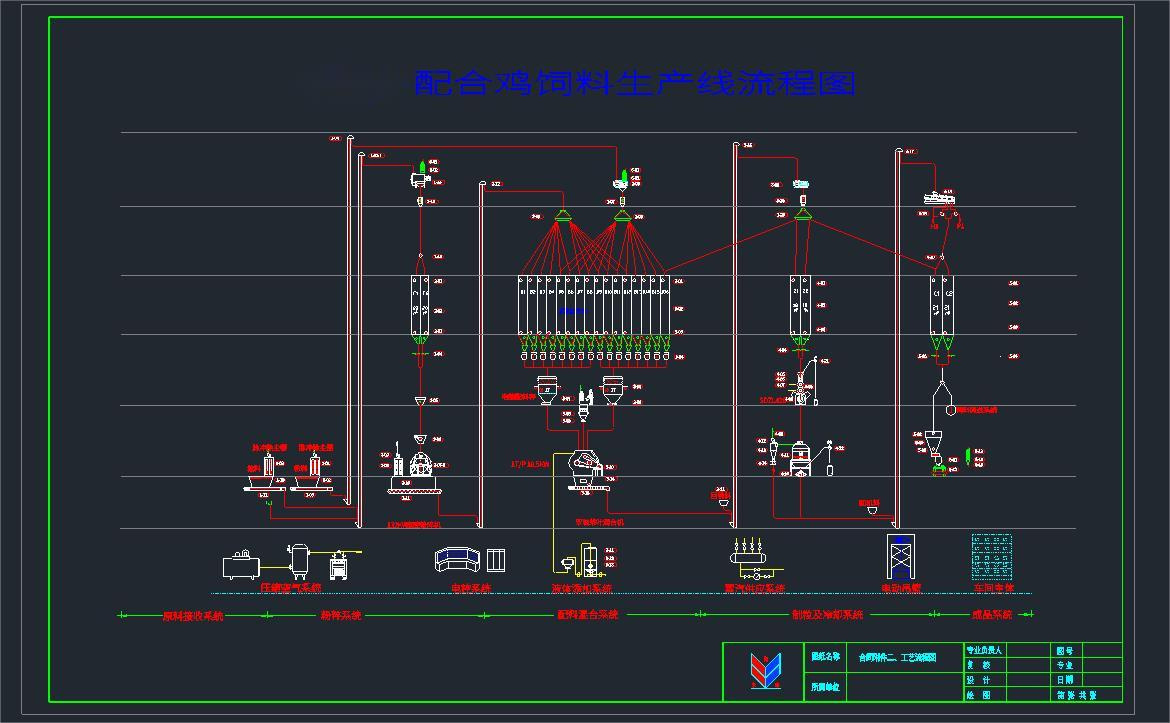
Why Pelleting Temperature and Conditioning Control Are Critical for Nutrient Retention
Balancing Steam Conditioning: Optimizing Moisture and Heat to Gelatinize Starch Without Degrading Heat-Sensitive Nutrients
When we talk about steam conditioning, getting it just right makes all the difference. The process helps turn starch into something easier to digest while keeping those delicate nutrients intact. Most folks find that temperatures between 80 and 90 degrees Celsius work best when applied for around half a minute or so. This range gets the feed components soft enough without messing up the protein structure. Go past 95 degrees though, and things start going wrong fast. The Maillard reaction kicks in which basically starts breaking down lysine and other important amino acids. On the flip side, if temperatures drop below 75 degrees, the starch doesn't really gelatinize properly either - sometimes as little as 10% conversion happens, which means wasted resources and poor animal performance. Modern equipment these days actually adjusts steam pressure automatically to make sure everything absorbs moisture evenly. This not only keeps valuable nutrients from washing away but also stops those pesky die blockages that can bring production grinding to a halt.
Vitamin A, Lysine, and Phytase Stability Benchmarks: How Precise Temperature Control in the Chicken Feed Machine Reduces Losses by Up to 40%
Targeted temperature regulation preserves critical nutrients:
- Vitamin A retention increases from 60% to 92% when conditioning is held at 85°C instead of 95°C
- Lysine losses drop from 15% to 9% when conditioning duration is halved
- Phytase activity remains above 85% when pelleting stays below 90°C
According to peer-reviewed feed science research, maintaining conditioning temperatures below 90°C reduces cumulative nutrient degradation by 30–40% compared to high-heat processing—preventing thermal deactivation of enzymes and oxidation of lipids, with measurable improvements in poultry growth rates and feed conversion ratios.
Chicken Feed Machine Design Features That Minimize Thermal and Mechanical Stress
Low-shear preconditioners and variable-speed conditioners: Protecting probiotics and synthetic amino acids
Modern chicken feed production equipment incorporates low shear preconditioners featuring specially designed paddles that rotate at carefully controlled speeds. These designs cut down on heat buildup during mixing by around 30 degrees Celsius compared to older mixer models. The reduced temperature is particularly important for protecting beneficial bacteria such as Bacillus subtilis, since these microbes start dying off when temperatures exceed 50 degrees. When combined with adjustable speed conditioners, plant operators can precisely control how long steam interacts with the ingredients. This helps keep losses of synthetic lysine below 5%, while still getting the starch properly gelatinized for better digestibility. Moisture sensors built into the system allow for constant adjustments throughout the process. This prevents hot spots from forming, something that used to destroy nearly half of all heat sensitive additives in traditional feed manufacturing setups.
Cooling and drying integration: Preventing post-pellet nutrient oxidation and enzyme reactivation loss
Cooling systems integrated into processing lines can bring down pellet temperatures from around 90 degrees Celsius to room temperature within about eight minutes thanks to counter flow air technology. This quick drop stops any leftover enzyme activity that would otherwise interfere with how well phytase works. At the same time, special drying equipment keeps moisture levels under 12 percent, which acts as protection against something called lipid oxidation. We know this matters because it's one of the main reasons why vitamin E breaks down over time. The combination of these two steps helps cut down on nutrient losses during storage by roughly 15% since there are no hot spots left where things could spoil. Newer system designs now feature automatic adjustments based on moisture readings, so air flow changes as needed throughout different sized pellets. This is particularly important when dealing with sensitive ingredients such as vitamin A found in animal feeds after processing.
Die Selection and Operational Parameters Impacting Pellet Quality and Nutrient Integrity
Die hole geometry, compression ratio, and residence time: Trade-offs between pellet durability and vitamin retention
Optimizing die specifications requires balancing structural integrity against thermal stress on sensitive nutrients. Three interrelated factors determine outcomes:
- Die hole geometry (length-to-diameter ratio) governs mechanical friction. Shorter dies cut residence time by 15–20%, significantly curbing vitamin degradation—but may compromise pellet hardness if not aligned with formulation.
-
Compression ratios (die thickness × hole diameter) above 1:8 improve density and durability but increase frictional heat, elevating risks of:
- Vitamin A degradation (up to 30% loss above 85°C)
- Accelerated Maillard reactions involving synthetic lysine
- Residence time control, enabled by variable-speed feeders, limits thermal exposure to ≈5 seconds at 75–80°C—retaining over 95% of phytase activity versus just 60–70% in conventional systems.
Operational settings must align with formulation goals: high-starch diets benefit from tighter compression for binding, whereas amino-acid-fortified feeds demand reduced thermal load through optimized die geometry and shorter dwell times.
Mitigating Lipid Oxidation and Enzyme Inactivation in High-Performance Chicken Feed Machines
The main causes behind nutrient loss in pelleted poultry feed are lipid oxidation and enzyme breakdown. Modern chicken feed production equipment tackles these issues with built-in oxygen barriers that limit contact with air throughout the processing and transport stages. At the same time, these machines have precise temperature control systems keeping the pelleting process under 85 degrees Celsius, which helps keep enzymes active while still maintaining good production rates. After the pellets come out, quick cooling is applied right away to bring down temperatures fast, slowing down oxidation reactions significantly. Together, these design elements result in retaining around 95 percent of important nutrients like methionine and other key enzymes when tested under lab conditions. This beats traditional open processing methods where unchecked heat and oxygen cause faster degradation of nutrients. For feeds containing lots of unsaturated fats, some producers implement extra steps like nitrogen flushing at specific points in the production line for additional protection against oxidation.
FAQ
What is the importance of steam conditioning temperature in nutrient retention?
Steam conditioning temperature is crucial because it impacts starch gelatinization and the retention of heat-sensitive nutrients. Appropriate temperatures (80-90°C) facilitate proper digestion and maintain nutrient integrity.
How does regulating conditioning temperature affect Vitamin A and phytase stability?
By maintaining temperatures below 90°C, Vitamin A retention increases significantly, while phytase activity is preserved. This reduces nutrient loss by 30-40% compared to high-temperature processing.
What role do preconditioners play in feed production?
Preconditioners, particularly low-shear ones, minimize heat buildup, protecting beneficial bacteria and ensuring efficient starch gelatinization. They help maintain the stability of critical additives in the feed.
How do cooling systems contribute to nutrient retention in feed machines?
Cooling systems rapidly lower pellet temperatures, preventing further oxidation and enzyme activity that could lead to nutrient degradation during storage, protecting valuable compounds like Vitamin E.
Table of Contents
- Why Pelleting Temperature and Conditioning Control Are Critical for Nutrient Retention
- Chicken Feed Machine Design Features That Minimize Thermal and Mechanical Stress
- Die Selection and Operational Parameters Impacting Pellet Quality and Nutrient Integrity
- Mitigating Lipid Oxidation and Enzyme Inactivation in High-Performance Chicken Feed Machines
- FAQ

