 EN
EN

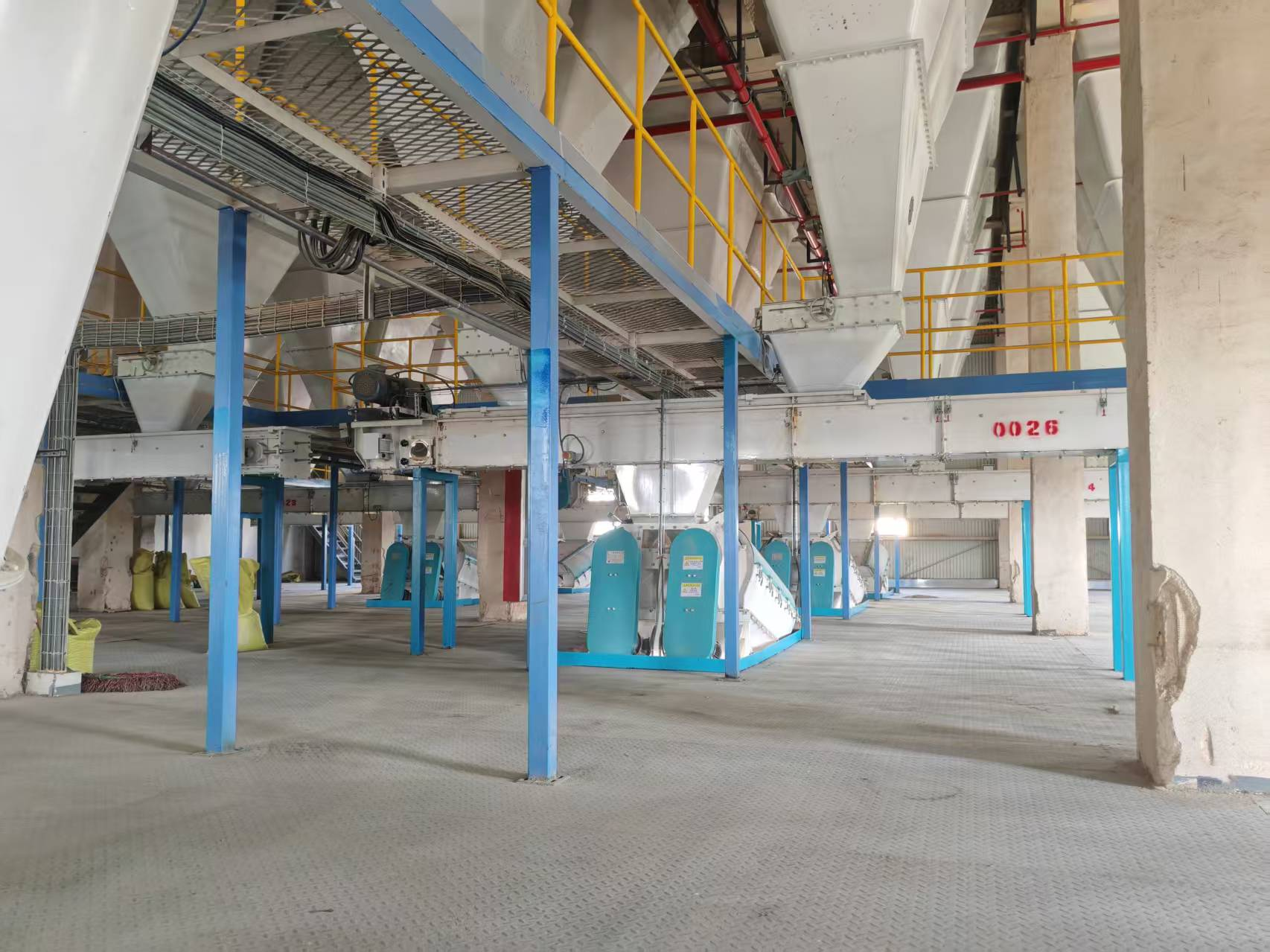
How Drum Screen Design Determines Impurity Removal Efficiency
Wedge Wire Slot Sizing (Down to 0.005") for Capturing Fine Feed Contaminants
The size of those precision slots makes all the difference when it comes to catching tiny contaminants during feed processing. Wedge wire screens that have openings as small as 0.005 inches (about 0.127 mm) do a great job at filtering out dangerous microscopic stuff like grain dust, bits of insects, and even microplastics that can really mess up feed quality and cause problems with regulations. Some research published in the Feed Safety Journal last year showed that slots smaller than 0.01 inch manage to catch around 99% of particles bigger than 150 microns, which happens to be right in line with what the FDA and USDA consider harmful contaminants. But there's a catch with these super fine slots. Making them too narrow actually costs more energy, maybe around 15 to 20% extra, and they get clogged more easily especially when dealing with wet or fibrous materials. The best results come from slots that gradually widen towards the bottom, paired with smooth electropolished surfaces. This combination helps prevent fibers from getting stuck while still keeping production rates above 30 tons per hour in most regular feed mills.
Trommel Geometry and Auxiliary Features: Hole Pattern, Lifter Bars, and Self-Cleaning Brushes
Dynamic separation in trommel systems relies on three synergistic design elements—not just aperture size, but how material interacts with the drum surface:
- Hole patterns: Hexagonal perforations deliver 40% greater open area than circular equivalents, reducing velocity loss by 12% and improving particle exposure to screening zones
- Lifter bars: Strategically angled flights extend effective retention time by 2.3 times, allowing more opportunity for fines to pass through while coarse material advances
- Self-cleaning brushes: FDA-grade rotating nylon bristles reduce blinding incidents by 78% in high-fat applications, per the USDA Compliance Report (2024)
These features are integrated into elliptical trommels inclined at 3–5° to prevent short-circuiting, and paired with variable-frequency drives for real-time RPM adjustments—critical when handling sticky, molasses-coated pellets or other cohesive feeds. Field validation confirms such systems sustain >95% separation efficiency even at 18% moisture content, outperforming static screens by 30%.
Drum Screen Material and Construction for USDA Compliance and Feed Safety
Sanitary, CIP-Compatible Drum Screens with FDA-Approved Surfaces and Weld-Free Designs
When it comes to drum screens used in regulated feed production, stainless steel remains the go-to choice, particularly the 316L grade that satisfies both FDA and USDA standards for equipment that touches food products. The material's non-porous nature means bacteria struggle to take hold, and it holds up well through those frequent Clean-in-Place (CIP) cycles involving harsh chemicals without breaking down over time. What makes this so important? Weld-free designs get rid of those pesky crevices where biofilms form and leftover feed builds up, something responsible for around a quarter of all animal feed recalls according to industry data. Electropolishing takes things even further by smoothing surfaces down to under 0.5 microns roughness, which actually beats what the FSIS requires for contact surfaces. For handling abrasive grains, special hardened versions of stainless steel maintain their shape despite constant exposure to solid materials flowing through them. And let's not forget the real benefit here: smoother surfaces cut down on particles sticking around by about 40% compared to rougher options, plus they prevent metal bits from flaking off as surfaces wear away over time.
Matching Drum Screen Performance to Feed Stream Characteristics
Moisture, Particle Size Distribution, and Bulk Density Effects on Screening Capacity and Blinding Risk
The properties of feed streams have a major impact on both how well materials separate and how reliably equipment operates over time. When moisture levels go above 5%, particles tend to stick together much more, particularly with clay-heavy grains, which can increase blinding problems by around 20 to 30 percent. The particle size distribution makes things even trickier. If more than thirty percent of the material is close in size to what fits through the screen openings, the whole separation process gets messed up, reducing overall throughput by as much as fifteen percent. How heavy the material is also matters a lot for flow patterns. Lighter organic stuff needs slower machine speeds so it stays in contact long enough, while heavier minerals actually need stronger forces to sort properly. All these factors work together in complex ways, so operators cant just tweak one setting at a time. Drum angles between twenty five and thirty five degrees combined with rotation speeds somewhere between eight and twelve revolutions per minute create the best balance between processing volume, clean separation results, and keeping machinery from wearing out too fast.
Managing FOG (Fats, Oils, Grease) and High-Solids Loads to Prevent Drum Screen Plugging
FOG and elevated solids loads (>8% TSS) present distinct fouling mechanisms that conventional screening cannot resolve. Fats, oils, and grease form hydrophobic films on screen surfaces, trapping fines and triggering rapid plugging—often within 3–5 operating hours. Effective mitigation requires a multi-layered approach:
- Steam-heated drum jackets maintained at 60–70°C to liquefy and mobilize grease deposits
- Robotic self-cleaning brushes with FDA-grade silicone bristles activated every 15 minutes
- Counter-flow spray nozzles delivering 80°C sanitizing fluid to disrupt biofilm formation
When dealing with waste streams that have over 12% total suspended solids, the helical lifter bar design really makes a difference. It boosts material movement through the system and cuts down on blinding problems by around 40%. For those working with greasy wastewater or processing animal feed, these bars make life much easier. Maintenance doesn't need to happen every single day anymore but can be done once a week instead. And despite all this efficiency gain, the system still manages to catch more than 98% of contaminants. This shows just how important good mechanical and thermal design is when trying to meet those tough regulatory standards without breaking the bank on upkeep costs.
Selecting and Sizing a Drum Screen for Optimal Throughput and Long-Term Reliability
Getting the right size for drum screens matters a lot for how well they work now and how long they last. Units that are too small get overloaded all the time, which leads to bearing failures early on, faster wear overall, and poor removal of impurities. On the flip side, going too big wastes money upfront, eats up more energy, and actually makes the separation process worse because there's not enough material loading. Most engineers recommend figuring out what flow rate is needed based on drum diameter and how fast it spins, then adding about 15 to 20 percent extra capacity to handle unexpected surges without losing efficiency. The materials used also count for a lot. Stainless steel grades 304 or 316 hold up better against those tiny cracks that form when dealing with abrasive grains, keeping things clean longer. Experience shows that matching drum length to how long stuff needs to stay in there works best. For most grains, around 25 to 40 seconds seems ideal, cutting down problems with blinding by roughly a third and making the whole separation process much cleaner. When working with fatty products like poultry meal, Teflon coatings on surfaces plus wiper bars help reduce how often operators need to clean manually by about half. All these practical considerations together mean equipment can run reliably for well over 80,000 hours while still meeting USDA requirements for getting rid of unwanted particles.
FAQ Section
What are the main factors affecting drum screen performance?
Key factors include moisture levels, particle size distribution, and bulk density of the feed stream, all of which impact screening capacity and blinding risk.
How does moisture content affect drum screen operation?
Moisture levels above 5% cause particles to stick together more readily, increasing blinding issues by approximately 20 to 30 percent.
What materials are recommended for drum screen construction?
Stainless steel grades like 304 or 316 are recommended for their durability, non-porous nature, and compliance with FDA and USDA standards.

