 EN
EN

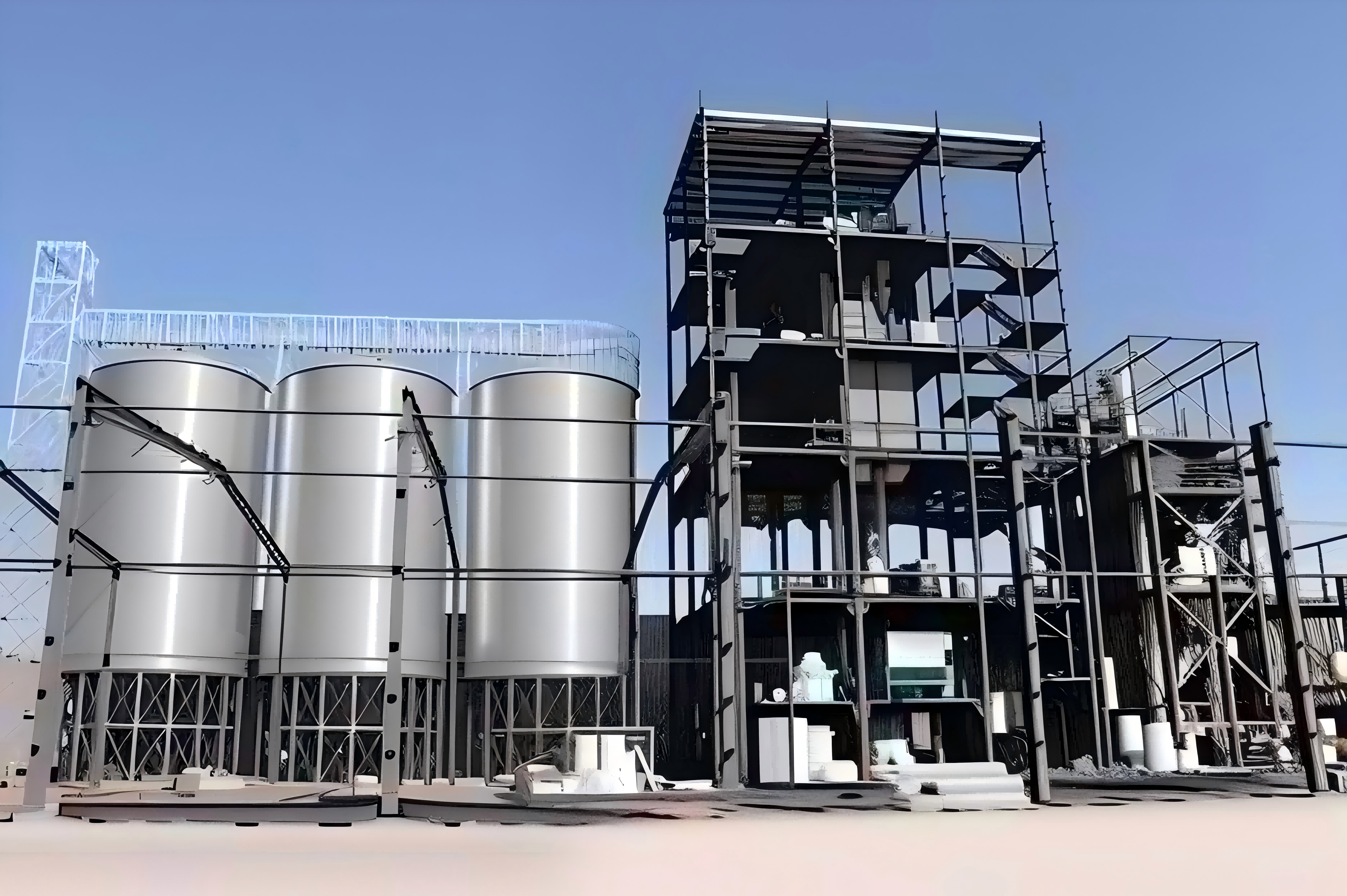
Centrifugal Discharge Bucket Elevators: The Industry Standard for High-Capacity Feed Handling
How centrifugal force enables efficient, high-throughput bucket elevator operation in feed plants
Centrifugal discharge bucket elevators leverage physics-driven efficiency to achieve high-volume material handling. As buckets ascend at 1.5–4 m/s—per CEMA Standard 504—rotational momentum generates centrifugal force at the head pulley, cleanly propelling feed into discharge chutes. This mechanism delivers three critical advantages:
- Accelerated throughput for free-flowing grains and pellets
- Minimal residual buildup, ensuring complete bucket evacuation
- Energy efficiency, consuming 3–5ツ less power than pneumatic alternatives
The design excels with non-fragile feed components like corn, soy meal, and pellets (density: 0.55–0.75 g/cm³). By maintaining precise bucket spacing to prevent interference during discharge, these elevators reliably process 40+ tons/hour while minimizing material degradation.
Why belt-driven centrifugal bucket elevators dominate poultry and swine feed lines
Belt-driven systems outperform chains in feed manufacturing by balancing hygiene, durability, and operational continuity. Polyester-reinforced belts resist moisture absorption—critical in steam-conditioned feed environments—and eliminate lubrication points that attract contaminants. Their smooth surface prevents particle entrapment, reducing microbial growth risks by 30% compared to chain systems (Feed Tech Journal 2023).
We see this setup all over the place in large scale operations, take for example a major poultry company running at 42 tons per hour capacity. Their system handles an incredible amount of product, processing well over 8,000 metric tons every week straight through. What makes it stand out is how the belt system actually reduces vibrations, which means those buckets last much longer when dealing with rough minerals commonly found in premix formulations. When it comes to swine feed production involving lots of fibrous materials, the difference in maintenance becomes really important. Belt systems need replacing after around 15,000 operating hours compared to just 5,000 hours for traditional chain setups. That kind of longevity makes a huge impact on overall productivity and costs in the long run.
Key Bucket Elevator Specifications That Impact Feed Plant Performance
Matching conveying capacity, bucket fill factor, and belt speed to feed density (0.55–0.75 g/cm³) and flowability
Getting the right balance between conveying capacity, bucket fill levels, and belt speed makes all the difference in how well these systems work. Most animal feeds have bulk densities ranging from around 0.55 to 0.75 grams per cubic centimeter, so operators need to adjust settings accordingly. Heavier stuff needs slower belts to stop things getting jammed up, but lighter mixtures can handle faster movement through the system. The fill level matters too depending on what's being moved. Sticky feeds like wet pellets should only be filled about 60 to 70 percent to keep them from spilling everywhere, while dry grains can take fuller loads at 80 to 90 percent. Belt speed is another critical factor that needs matching with these parameters. Going above 1.5 meters per second with rough feed causes components to wear out faster, but keeping it below 1 meter per second just wastes potential capacity. When everything lines up properly, this setup avoids production holdups, cuts down on wasted power by roughly 15 percent, and maintains steady output rates over 40 tons per hour which is pretty much standard for big commercial operations these days.
Belt vs Chain Drive Systems for Feed-Specific Bucket Elevator Applications
Trade-offs: Belt longevity and cleanliness versus chain reliability in high-moisture, abrasive feed environments
When choosing between belt and chain drives for feed manufacturing, plant managers need to consider what their specific operation requires. Belt driven systems generally stay cleaner for longer periods because they're made from materials like rubber or PVC that don't create as much dust or debris. This matters a lot when making feed for chickens and pigs since these operations face really tight sanitation rules from regulators. The fact that belts require less upkeep makes them popular at facilities focused on getting things done without constant downtime. Grain processors especially appreciate this benefit since their equipment deals with grains that naturally cause some wear and tear over time.
Compared to other systems, chain driven elevators work really well in places where there's lots of moisture since they resist corrosion better than many alternatives. Metal chains hold up against those corrosive substances that build up in humid feed mills over time. When it comes to moving heavy stuff like dense minerals weighing between 0.55 and 0.75 grams per cubic centimeter, chains handle the impact much better. But here's the catch they need regular oiling when dealing with gritty materials. There's always this balancing act between keeping feed safe and having something durable enough for tough jobs. Belts stop residue from collecting which can lead to bacteria growing, but chains keep running smoothly even with rough, damp or super heavy ingredients without stopping.
When to Consider Continuous Discharge Bucket Elevators in Feed Manufacturing
Continuous discharge bucket elevators prioritize gentle material handling through gravity-fed mechanisms—not centrifugal force—making them ideal for fragile feed components. Operating at reduced speeds (0.5–1.2 m/s), they significantly reduce degradation of:
- Pelleted feeds prone to cracking
- Protein-rich additives susceptible to heat damage
- Specialty ingredients requiring minimal dust generation
- Aeratable powders with flowability challenges
They outperform centrifugal models in preserving integrity when processing low-density blends (below 0.55 g/cm³) or highly abrasive mixtures. Choose this configuration when:
- Final product quality outweighs throughput speed requirements
- Your formula includes friable vitamin premixes or sensitive additives
- Reducing micro-fines generation during transfer is critical
The slower, gravity-based discharge minimizes particle attrition by 40% compared to high-speed alternatives—making continuous discharge indispensable for premium feed lines where ingredient preservation directly impacts nutritional value.
FAQ
What is the main advantage of centrifugal discharge bucket elevators?
Centrifugal discharge bucket elevators offer accelerated throughput, minimal residual buildup, and energy efficiency, making them ideal for handling free-flowing grains and pellets efficiently.
Why are belt-driven systems preferred in poultry and swine feed lines?
Belt-driven systems are preferred in poultry and swine feed lines due to their hygiene, durability, and reduced maintenance needs, which help in maintaining operational continuity.
What specifications are important for bucket elevators in feed plants?
Important specifications include conveying capacity, bucket fill factor, and belt speed, which should be adjusted according to feed density and flowability to ensure efficient operation.
When should continuous discharge bucket elevators be considered?
Continuous discharge bucket elevators should be considered when handling fragile feed components to minimize degradation and preserve the integrity of the final product.
Table of Contents
- Centrifugal Discharge Bucket Elevators: The Industry Standard for High-Capacity Feed Handling
- Key Bucket Elevator Specifications That Impact Feed Plant Performance
- Belt vs Chain Drive Systems for Feed-Specific Bucket Elevator Applications
- When to Consider Continuous Discharge Bucket Elevators in Feed Manufacturing
- FAQ

