 EN
EN

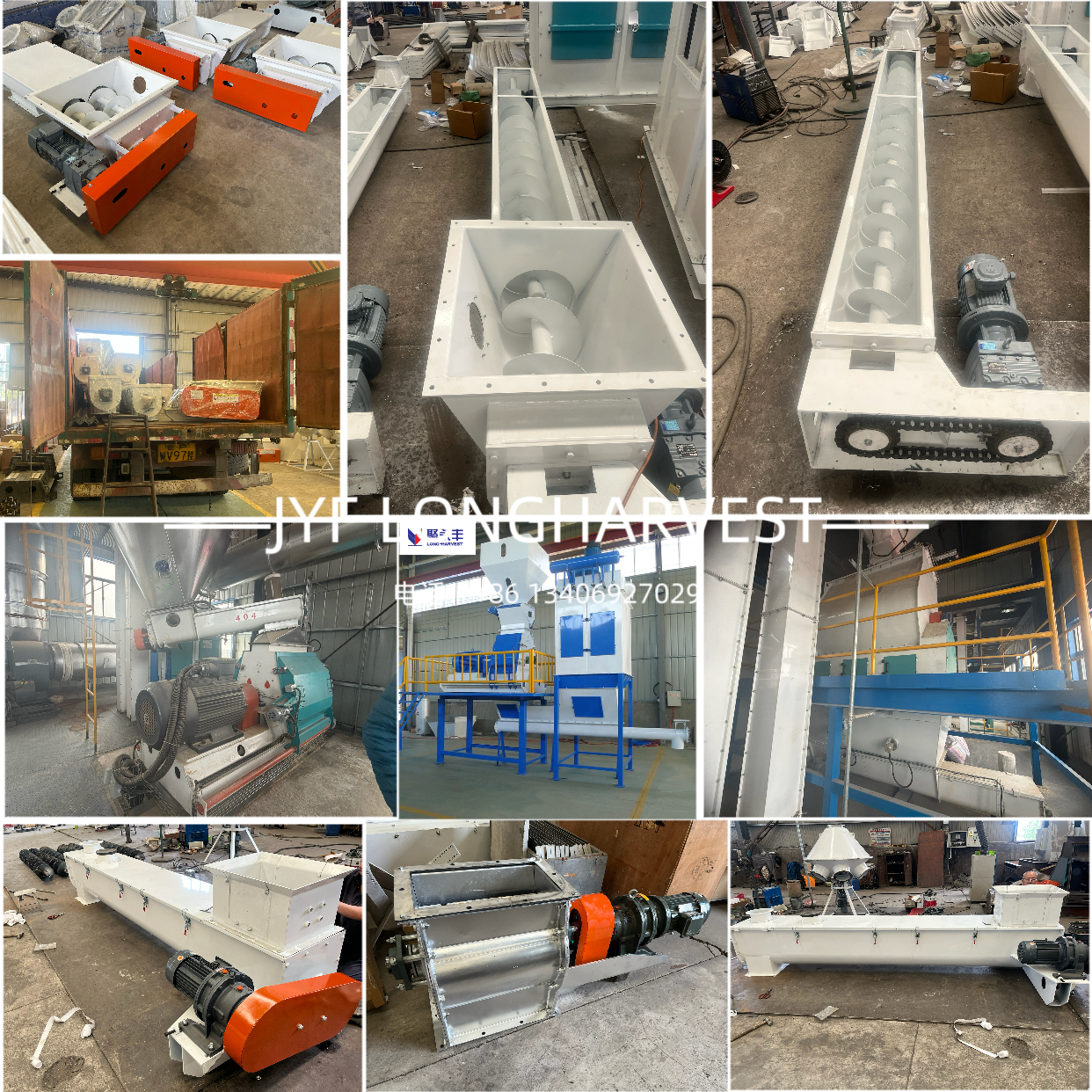
What 'Stable Performance' Means for Screw Conveyors in Feed Lines
Defining Operational Stability: Throughput Consistency, Minimal Downtime, and Blockage Resistance
Getting good results from feed line screw conveyors depends on a few key things working together: keeping the flow steady, avoiding unexpected shutdowns, and preventing clogs. When the conveyor maintains consistent output rates, it helps ensure proper feeding for automated batching systems. Even minor fluctuations in throughput can throw off formulations completely. For manufacturers dealing with grains that wear down equipment fast, premium models built with hardened flight edges and sealed bearings typically need maintenance only around 30 hours per year. The way the conveyor handles blockages matters too. Good designs incorporate special helix shapes and smart trough configurations that stop materials from sticking together, especially important when handling sticky stuff like soybean meal. All these elements work hand in hand to stop problems from spreading throughout the production line. A single hour lost due to conveyor issues often means major disruptions across multiple operations downstream.
Critical Industry Benchmarks: <1.5% Feed Rate Variance Under Variable Load (FAO, 2022)
According to the Food and Agriculture Organization's 2022 guidelines, what counts as excellent operation is when there's less than 1.5% variation in feed rates even when loads change constantly. This becomes the gold standard for top quality screw conveyors. We've seen this proven through testing where they switch between different material densities, like corn mixed with rye, while running at speeds from 80 to 120 revolutions per minute. To hit these performance targets, several key components matter a lot. First off, we need drives that respond properly to changes in torque demands. Then there are those special trough designs that stop backflow so fill levels stay steady throughout the process. And let's not forget about those laser aligned hanger bearings which cut down vibrations by around half compared to regular mounts. Facilities that meet these standards typically experience about 92 percent fewer problems with flow interruptions in their poultry feed operations. For big volume producers, this translates into real money saved - somewhere around $220 every single hour depending on production levels.
Key Design Features That Enhance Screw Conveyor Stability
Helix Geometry & Blade Type: Matching Standard, Paddle, and Ribbon Flights to Feed Material Flow
Choosing the right flight type matters a lot when it comes to keeping things flowing smoothly through conveyors. Regular spiral flights handle loose materials like corn pretty well when the trough is filled between 30 and 45 percent. For stuff that tends to stick together, paddle flights break up those pesky clumps, especially with products like soybean meal. Ribbon flights are great for sticky materials because they don't let stuff build up around the central shaft thanks to how they're designed with gaps. When manufacturers get the blade shape right for what they're moving, they see about half as many clogs compared to when they mix and match wrong components. Industry studies back this up showing significant improvements in system reliability.
Trough Sealing, Bearing Support, and Hanger Placement: Controlling Vibration and Shaft Deflection
The installation of UHMW-PE trough liners helps keep dust and materials from getting into critical areas, which is one of the main reasons bearings fail during grain processing operations. Dust particles alone cause around 30% of all equipment failures according to industry reports. For proper support along conveyor systems, hangers should be installed approximately 10 to 12 feet apart. This spacing keeps shafts from bending too much, with deflection staying below 0.01 inches per running foot even when handling standard loads between 5 and 20 tons each hour. Feed mills benefit greatly from double sealed bearings rated at IP65 standards. These components handle dusty environments exceptionally well, cutting down on vibrations by about three quarters compared to standard models. Most importantly, they last through thousands of operating hours before needing replacement, making them ideal for the tough conditions found in modern feed production facilities.
Material-Specific Stability: How Grain Properties Affect Screw Conveyor Reliability
Angle of Repose, Cohesion, and Humidity Sensitivity in Wheat, Corn, and Rice Handling
The way grains flow affects how reliable conveyors are in operation. Take wheat for instance it has a pretty low angle of repose between around 27 to 33 degrees which means it moves smoothly through horizontal conveyors most of the time. Corn is different though because of its higher cohesion properties, making bridging issues common at those critical transfer points where things tend to get stuck. Rice presents another challenge altogether when moisture levels go over 14%. At that point, operators need to switch to sealed trough designs just to stop the grains from swelling up and causing blockages. And then there's humidity to consider too. Once the air gets above 65% relative humidity, grains start sticking together much more than usual, with adhesion forces jumping by about 40%. That means maintenance crews have to adjust flight clearances accordingly. Meeting the FAO standard of less than 1.5% variation in feed rates requires careful calibration of screw conveyors based on exactly what kind of grain is being handled. Each grain type behaves differently enough that one size doesn't fit all when setting up these systems.
Electrostatic Agglomeration and Cascading Blockages in High-Moisture Feed Streams
Grains with high moisture content over 18% create special problems because they tend to build up static electricity. When this happens, the tiny particles stick together and form clumps that get stuck in conveyor flights, particularly noticeable on those inclined systems used for moving protein rich meal products. These jams can bring entire operations to a halt. To deal with these issues, many facilities install humidity sensors that automatically adjust flow rates when needed. Grounding the conveyor flights helps eliminate static buildup too. Operators also need to keep running speeds under 80 RPM when dealing with damp materials. Looking at what's happening across the industry, there's clear evidence that when moisture levels exceed safe thresholds, about seven out of ten unexpected shutdowns occur in grain processing plants. That makes managing moisture control not just important but absolutely critical for smooth operation.
Optimizing Operational Parameters for Long-Term Screw Conveyor Stability
Trough Fill Ratio Guidelines: 30–45% for Whole Grains vs. 25–35% for Fine Meals
Getting the right amount of material in the trough makes all the difference. When working with free flowing grains such as corn or wheat, filling between 30 to 45 percent works best because it takes advantage of how these materials naturally move through equipment while preventing those annoying pulses caused by empty spots in the system. Things get trickier with finer products like meal or powder where we usually stick to around 25-35% fill. These lower levels stop the stuff from getting too packed together or forming clumps that stick to everything, particularly important during humid weather when static electricity becomes a problem. Go beyond these recommended levels though and watch out for trouble. The torque requirements jump way up which puts serious strain on motors and can lead to complete system shutdowns if not caught early enough. That's why many facilities install load sensors nowadays. They keep an eye on things automatically so operators don't have to constantly monitor fill levels manually, especially helpful when dealing with different types of feedstock coming through continuously.
Rotational Speed Sweet Spot: Balancing Flow Continuity, Wear, and Energy Efficiency (60–120 RPM)
Most screw conveyors work best when running between 60 and 120 RPM. This range keeps material flowing smoothly while managing wear on components and keeping energy costs reasonable. When speeds drop below 60 RPM though, things start getting problematic. The conveyor just cant keep up, leading to inconsistent discharge and sometimes even backflow issues, especially when dealing with inclined installations. On the flip side, pushing beyond 120 RPM causes problems too. Abrasive wear jumps dramatically, often increasing by around 200 to 300 percent, and power consumption goes up roughly 40% for the same amount of material moved. Finding this middle ground is important for several reasons. It helps preserve delicate products like soybean meal that tend to break down easily under stress. Plus it cuts down on those annoying vibration related bearing failures that nobody wants to deal with. For materials that are naturally abrasive, sticking closer to the lower end of the range (around 60-90 RPM) will extend equipment life considerably. Nonabrasive stuff generally handles the higher speeds better, so running them at 90-120 RPM usually works fine without causing major headaches.
Wear Resistance Strategies for Critical Screw Conveyor Components
Flight and Shaft Materials: Hardened Carbon Steel, AR400, and Ceramic Coatings Compared
The type of material used really determines how long equipment lasts when dealing with abrasive feeds. For grains that aren't too rough on machinery like wheat or corn, hardened carbon steel between 200 and 400 HB works well enough and saves money. When things get tougher, especially around silica rich minerals or recycled biomass stuff, going up to AR400 alloy steel makes sense. This stuff typically lasts 30 to 50 percent longer in those tough conditions. If budgets allow, ceramic coated flights offer top protection against wear. Alumina or zirconia coatings cut down wear rates by about 70 to 90 percent even in fast moving grain streams. The bottom line? Match the material to what's being processed. Hardened steel holds up fine for feeds under 5% ash content. But once mineral impurities go over 15%, operators need to step up to either AR400 or ceramic coatings to keep downtime at bay.
Trough Liners and Bearings: UHMW-PE, Stainless Cladding, and Bearing Selection for Dust-Laden Environments
Keeping dust contained and preventing materials from sticking to surfaces plays a big role in how long troughs last. UHMW-PE liners create these super slippery surfaces that stop things like soy meal or wet distillers grains from building up over time. When dealing with really harsh environments where there's salt in the biomass mix, going with 304 or 316 stainless steel cladding makes all the difference. It stops corrosion pits from forming and keeps surfaces nice and smooth around 0.6 microns roughness. For bearings, sealing them properly against tiny particles is absolutely critical. Labyrinth seals work great at stopping dust from getting into those shaft connections. Triple lip grease purge systems keep everything lubricated even when dealing with particles smaller than 10 microns. And here's something interesting: when manufacturers combine hardened bearing races rated at HRC 60+ with ceramic balls instead of regular steel ones, they see about a 40% drop in friction wear. Makes sense why so many companies switch to this setup for their toughest, dustiest operations running non-stop.
| Material | Wear Rating (1–10) | Ideal Application | Limitations |
|---|---|---|---|
| UHMW-PE | 7.5 | Sticky/powdered feeds | Temperature-sensitive |
| Stainless Cladding | 8.0 | Corrosive/high-moisture | Higher initial cost |
| Ceramic Coating | 9.5 | Extreme abrasion | Brittle under impact |
FAQ
What factors contribute to stable performance in screw conveyors?
Stable performance in screw conveyors depends on maintaining a steady flow, minimizing unexpected shutdowns, and preventing clogs. Proper design features and addressing grain-specific issues also play critical roles.
How do specific grain properties affect screw conveyor reliability?
Different grains have unique properties such as angle of repose, cohesion, and humidity sensitivity that can impact conveyor reliability. For instance, corn's higher cohesion can lead to bridging issues, while rice may swell and cause blockages under high humidity.
What measures can be taken to reduce wear and increase the life of screw conveyors?
Using suitable materials for flights and shafts, such as hardened carbon steel, AR400, or ceramic coatings, can significantly reduce wear. Additionally, employing UHMW-PE liners and stainless cladding helps protect against dust and corrosion.
What are the guidelines for optimal operational parameters of screw conveyors?
Maintaining the correct trough fill ratio and operating within the optimal rotational speed range (60–120 RPM) ensures smooth material flow, minimizes wear, and improves energy efficiency.
Table of Contents
- What 'Stable Performance' Means for Screw Conveyors in Feed Lines
- Key Design Features That Enhance Screw Conveyor Stability
- Material-Specific Stability: How Grain Properties Affect Screw Conveyor Reliability
- Optimizing Operational Parameters for Long-Term Screw Conveyor Stability
- Wear Resistance Strategies for Critical Screw Conveyor Components
- FAQ

