 EN
EN

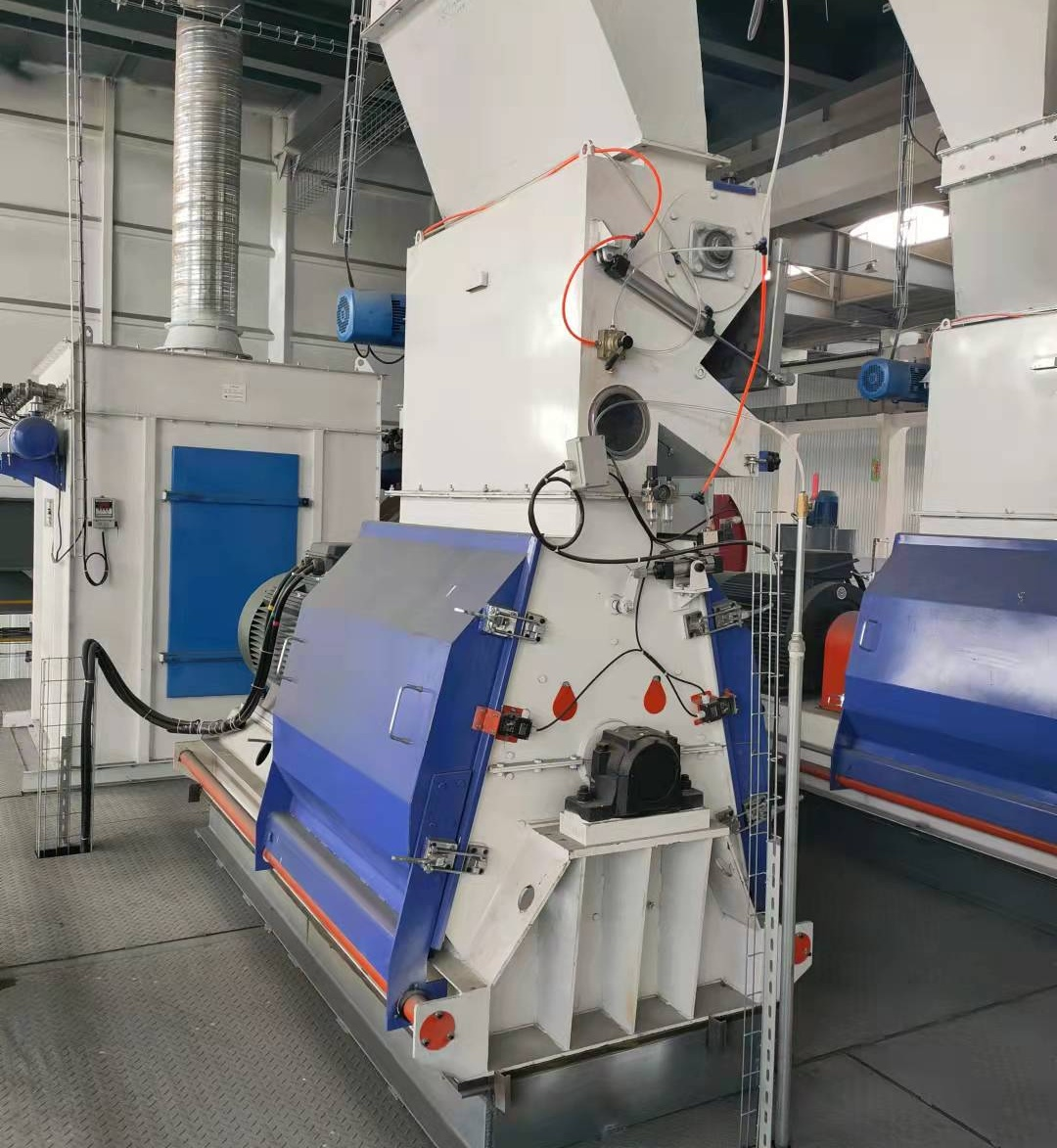
Material Science of Durable Hammer Plates
Why ASTM A1033 Class 1, AR400, and AR450 Steels Set the Standard for Hammer Plate Durability
The harsh conditions of high impact grinding require hammer plates built to withstand serious wear and tear. ASTM A1033 Class 1 steel offers rock solid hardness between 360 and 440 BHN thanks to careful heat treatment processes. This creates those uniform martensitic structures that hold up against tiny fractures even after repeated stress cycles. Moving up the scale, AR400 and AR450 grades take things to another level with their impressive Brinell hardness numbers at 400 and 450 respectively. These materials perform exceptionally well when dealing with tough feedstocks containing silica like corn or barley. What makes them stand out is how they actually get tougher as they're used continuously, which becomes really important when handling grains around 8 to 12 percent moisture content since this tends to speed up wear issues. Regular carbon steels just can't compete here. The special alloy composition keeps these components intact far longer than standard options, often lasting past 20,000 hours of operation. Feed mill operators report needing replacements roughly 40% less frequently compared to traditional materials, making a big difference in maintenance costs over time.
Hard-Facing Overlays: Boosting Hammer Plate Lifespan by 2–3× in High-Abrasion Corn and Straw Grinding
Fibrous materials like wheat straw and high silage corn really eat away at cutting edges because of all that localized friction and constant impact fatigue happening there. When we apply hard facing overlays using arc welding techniques, we're basically coating those impact zones with stuff like chromium carbide or tungsten matrix composites. These coatings can reach hardness levels around 65 HRC which makes a big difference. The service life extension is pretty impressive too - somewhere between 200% to 300% longer in applications where abrasion is a major problem. What happens here is these metallurgical bonds hold up against flaking when subjected to repeated stress cycles. Material loss drops down below 0.1 mm for every 100 hours of operation, and the wear resistance gets concentrated exactly where the hammer parts rub against things most intensely. We've seen this work well in actual field tests within large scale feed processing operations. Plates treated with these overlays last through handling over 60 tons of abrasive biomass material before needing any kind of refurbishment, which means they last three times longer than regular untreated ones.
Design Strategies That Extend Hammer Plate Service Life
Reversible and Symmetrical Hammer Configurations: Maximizing Wear Surface Without Replacing Hammer Plates
Symmetrical hammer plates that can be flipped over actually last twice as long because workers can switch out the worn edges and keep using both sides of the steel without losing any grinding power. This matters a lot when dealing with tough stuff like corn stalks that have around 15% silica in them, since those edges get worn down fast and unevenly. According to some field tests, these reversible setups cut down how often people need to replace the plates by about half compared to regular ones. When the front edge gets too worn, just flip it over and continue working. The whole thing works because the weight is spread evenly along the hammer's central line, which keeps things stable even at those high industrial speeds between 3,000 and 3,600 RPM. Precision machining of the mounting points and standard bolts helps maintain this balance when switching positions.
Optimized Pattern Layouts (Staggered vs. Cluster): Reducing Localized Erosion on Hammer Plates
When it comes to hammer arrangements in grinders, staggered setups actually work better than clustered ones because they spread out the impact force over larger areas of the plate surface. This helps cut down on those annoying grooves forming during the grinding process, especially when dealing with fibrous biomass stuff. We've seen about a third reduction in groove formation with this approach. Now look at what happens with high moisture soybean meal that has more than 15% water content. Clustered hammers tend to pile up all the stress right at the tips where particles hit hardest, causing wear and tear problems much quicker. Tests show these failure points erode around 2.7 times faster compared to staggered setups. Today's modern feed grinders incorporate computer modeling techniques to track how particles move through the system. By adjusting hammer angles just right, operators can guide the material towards the center of plates instead of letting it bash against the edges which wear out first. Making this adjustment extends plate life by roughly 22%, all while keeping production speeds between 8 and 12 tons per hour. For anyone running this equipment, go with staggered layouts when processing silica rich or fibrous feeds. Save the clustered patterns for situations where the material is less abrasive and pretty uniform throughout.
Feedstock-Driven Wear Mechanics and Hammer Plate Selection Logic
Corn, Soybean Meal, and Fibrous Biomass: How Moisture, Silica, and Fiber Length Dictate Hammer Plate Abrasion Rates
Fibrous stuff like rice straw and corn stover causes problems with tensile stress fractures in equipment. When fibers are longer than about 2.5 centimeters they create these whipping forces that actually start to chip away at hammer edges through micro fractures. For materials rich in lignin, manufacturers need special high toughness steel grades just to avoid sudden failures from brittleness. The field data tells us something important too AR450 overlays last roughly 40 percent longer than regular alloys when grinding corn continuously. That kind of longevity makes all the difference for operations running non stop during harvest seasons.
| Feedstock Factor | Wear Mechanism | Impact on Hammer Plate | Mitigation Strategy |
|---|---|---|---|
| High Moisture (>15%) | Electrochemical corrosion | Pitting, reduced structural integrity | Corrosion-resistant coatings |
| Silica Content (>0.5%) | Three-body abrasion | Surface grooving, mass loss | Hard-faced overlays (58+ HRC) |
| Long Fibers (>2.5cm) | Impact fatigue | Edge spalling, microfractures | Toughness-optimized steel |
Material selection must align with dominant wear vectors: ultra-hard surfaces for high-silica feedstocks, corrosion-resistant alloys for wet biomass, and toughness-balanced steels for fibrous materials. For mixed feeds, chromium carbide overlays are proven to extend service intervals by 200% in variable-fiber environments.
Field-Validated Hammer Plate Durability Benchmarks
When looking at actual performance in the field, there are clear benefits that go way beyond what lab tests can show. For those dealing with tough feed processing jobs, especially when working with corn and soybean meal, chrome carbide plates last anywhere from three to five times longer than regular AR400 steel options. The reason? These plates have this special hypereutectic chromium carbide structure that gives them rock solid hardness ratings between 57 and 63 HRC, compared to just 45 to 52 HRC for standard AR400 steel. Grain processors who've switched over report significant savings over time as their equipment stays in good condition much longer. One facility saw their maintenance costs drop by nearly half after making the switch, which makes all the difference during busy harvest seasons when downtime is costly.
| Material | Hardness (HRC) | Relative Lifespan in Corn Grinding |
|---|---|---|
| Chrome Carbide Plate | 57–63 | 3–5× baseline |
| AR400 Steel | 45–52 | 1× baseline |
The extended lifespan directly lowers total cost of ownership by reducing replacement frequency and unplanned downtime. When combined with reversible/symmetrical designs, chrome carbide plates further amplify durability in fibrous biomass applications—demonstrating how material science and mechanical design synergize to maximize operational value.
FAQ Section
What is the benefit of using ASTM A1033 Class 1 steel for hammer plates?
ASTM A1033 Class 1 steel offers high hardness levels between 360 and 440 BHN, providing uniform martensitic structures that resist fractures even after repeated stress cycles, making it an ideal choice for hammer plates under harsh grinding conditions.
How do hard-faced overlays extend the lifespan of hammer plates?
Hard-faced overlays like chromium carbide or tungsten matrix composites increase hammer plate hardness to about 65 HRC, significantly extending service life by 200% to 300% in high-abrasion environments.
Why are reversible and symmetrical hammer plate designs beneficial?
Reversible and symmetrical designs allow using both sides of the hammer plate, effectively doubling its lifespan and reducing replacement frequency, especially useful in environments with high silica content.
How does feedstock affect hammer plate wear?
Factors like moisture, silica content, and fiber length influence wear rates; suitable material selection and coating applications can mitigate these effects, ensuring hammer plates last longer.

