 EN
EN

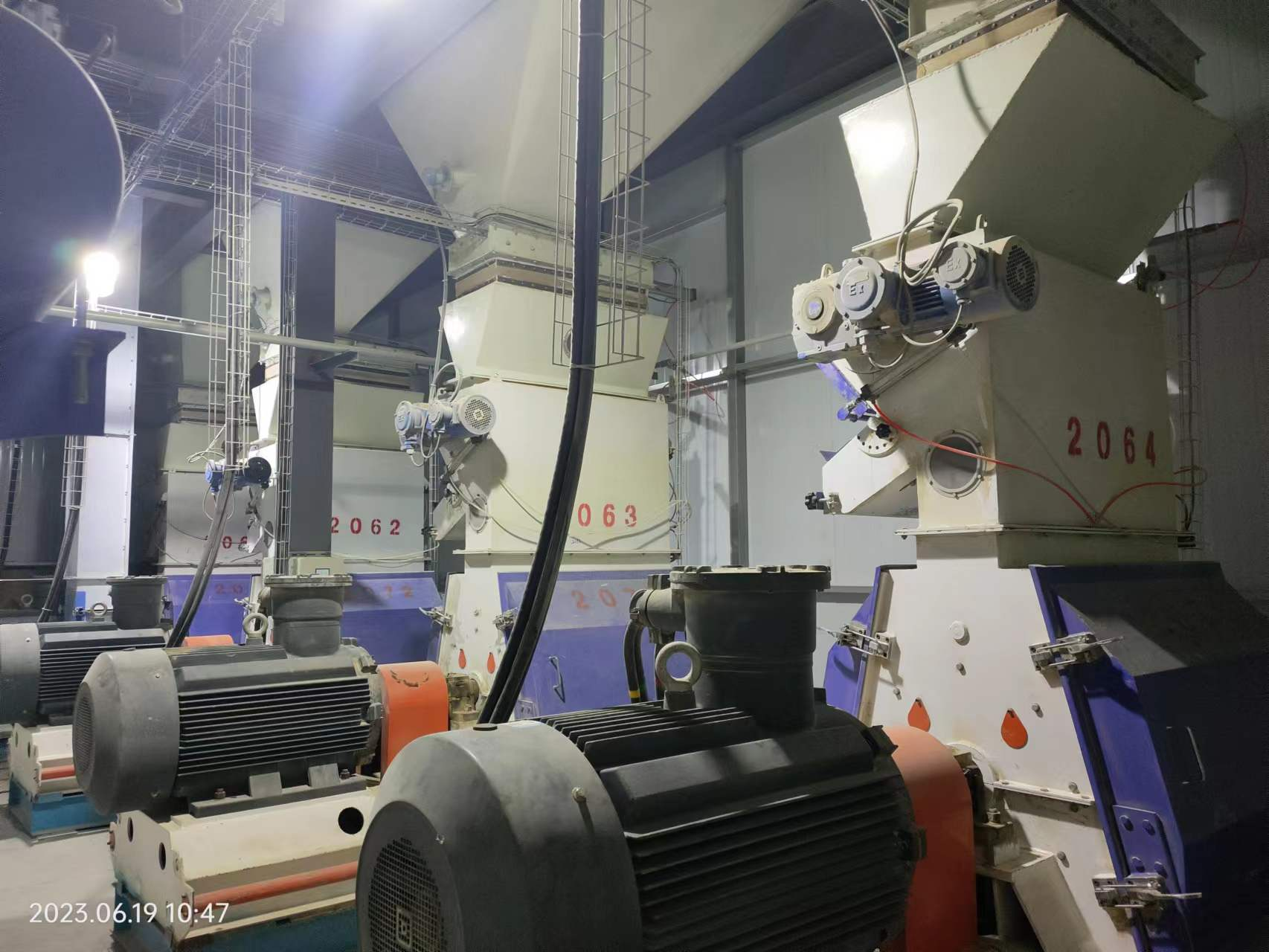
Mechanical Optimization of Feed Pulverizers for Lower Energy Demand
Rotor design, hammer configuration, and wear-resistant materials
Getting the rotor geometry right makes a big difference in how centrifugal forces spread out across the system, which cuts down on overall energy needs. When hammers are arranged in staggered positions and their weights are properly balanced, we see around a 12 to maybe even 18 percent reduction in power lost through vibrations. The tungsten carbide tips last way longer too, keeping their sharp edges about three times as long as regular steel would. That matters because when hammers get dull, they actually need something like 30% extra electricity per ton just to break materials down to the same size. And don't forget about airflow optimization either. Rotors designed with air flow in mind significantly reduce drag problems, making it much easier for processed material to exit the system without getting stuck or needing additional force.
Pre-grinding strategies and moisture-controlled feed preparation
Using coarse pre-crushing with screens sized between 3 to 5 mm cuts down on the primary mill's energy consumption by around 40%. This finding comes from actual tests run in commercial grain processing facilities. Keeping the feed moisture content around 12 to 14% through proper preconditioning makes all the difference. The grains stay brittle enough for efficient processing without sticking together. And here's why this matters so much: if the moisture drops even 1% below 10%, grinding becomes significantly harder, increasing resistance by about 6%. That's where integrated moisture sensors come into play. They let operators tweak conditions on the fly, which saves energy. Without them, over-drying feed can lead to wasted power costs ranging from 15 to 20%, not to mention unnecessary grinding cycles that just eat up resources.
Precision Control of Grinding Parameters in Feed Pulverizers
Feed rate, rotor speed, and gap adjustment to minimize kWh/ton
Keeping a steady feed rate helps avoid motor overload situations where power consumption suddenly jumps, as well as preventing unnecessary idling that just burns through energy. When adjusting rotor speeds based on what kind of material we're dealing with makes sense too. For instance, slowing things down when processing softer grains can cut overall power needs somewhere around 20%, all while maintaining good product quality standards. Getting the distance between hammers and screens just right matters quite a bit too. Particles tend to meet specifications faster when this gap is properly set, meaning they don't need multiple passes through the system. And if we want coarser outputs, simply increasing that gap space actually lowers resistance during operation. Industry data shows this approach typically saves anywhere from 15 to maybe even 30 kWh per ton processed, though actual results will vary depending on specific equipment setups and materials being handled.
Classifier tuning to reduce overgrinding and recirculation energy
Today's classifier systems incorporate real time particle size monitoring which allows them to tweak blade angles on the fly, sending back just those particles that are too big for further processing. The result? A drop in recirculation rates somewhere between 25 and 40 percent, which means less work for air handling systems and lower transportation costs overall. When mills run past their specs, they end up wasting about 30% extra power from all that wasted friction. Good tuning stops this problem by making sure what comes out matches exactly what was needed in the first place. Getting particles within a tight size range cuts down on fan workload too, and brings around 10 to maybe even 15% savings across the whole system according to field tests.
Integrated Airswept Systems: How Modern Feed Pulverizers Eliminate Energy Waste
Airswept milling dynamics and real-time particle size feedback control
Airswept pulverizers replace mechanical conveyors with targeted airflow, reducing recirculation energy by 15–20%. Real-time particle size analyzers continuously monitor output fineness and automatically modulate rotor speed and airflow—creating a closed-loop system that prevents overgrinding and lowers kWh/ton by up to 18% versus conventional setups.
Single-unit feed pulverizer with built-in classifier: cutting fan load and system losses
Integrating the classifier directly into the pulverizer housing eliminates standalone separation units and their auxiliary fans. This consolidation reduces system energy losses by 30% and ductwork-related pressure drops. The unified architecture enables dynamic airflow optimization: classifier adjustments instantly recalibrate grinding parameters, cutting fan power consumption by 22% while sustaining throughput.
Key efficiency gains:
- 40% reduction in ancillary equipment energy use
- 12–15% lower total system power demand
- Near-elimination of material handling redundancies
FAQ
What are the benefits of using tungsten carbide tips in feed pulverizers?
Tungsten carbide tips are beneficial because they last up to three times longer than regular steel, which helps maintain sharp edges and reduces the need for additional electricity when hammers dull.
How does pre-grinding with coarse pre-crushing screens affect energy consumption?
Pre-grinding with screens between 3 to 5 mm can reduce the primary mill's energy consumption by around 40%, according to tests run in professional grain processing facilities.
What is the role of classifier systems in reducing energy waste?
Classifier systems, equipped with real-time particle size monitoring, improve efficiency by reducing recirculation rates and ensuring particles meet size specifications, which saves up to 15% energy across the system.

