 EN
EN

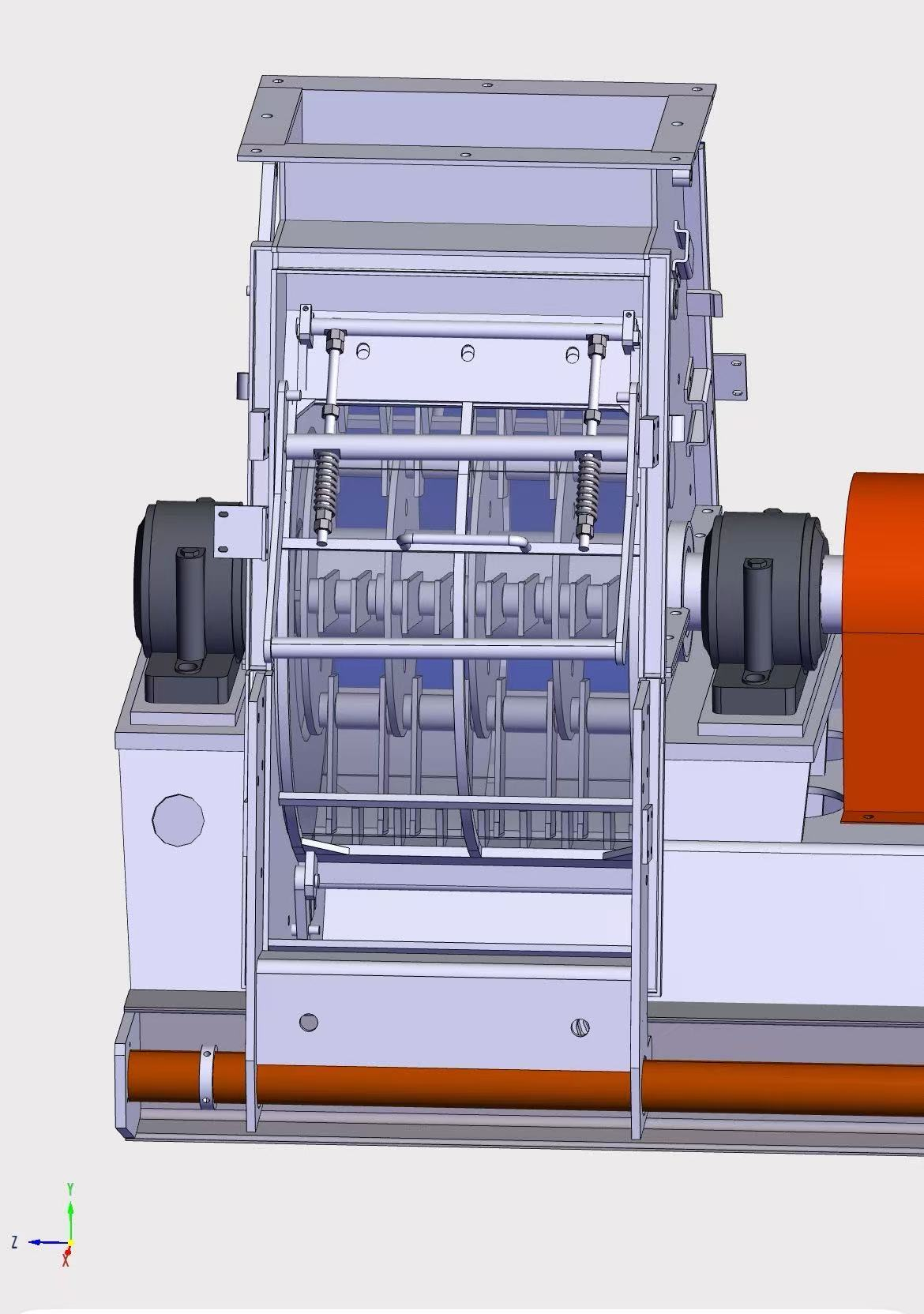
Why Abrasion Resistance Is the Primary Driver of Hammer Plate Longevity
How Feed Abrasiveness Accelerates Hammer Plate Wear in Real-World Milling
What goes into the feed has a huge impact on how fast hammer plates wear down. Grains packed with silica, along with minerals like sand and clay, plus fibrous plant matter all work their way into the equipment as tiny abrasives when things get smashed apart. Every time these particles hit the plates, they chip away at the surface. When feeds contain more than 5% silica, plate lifespan drops dramatically - about three times shorter if running non-stop. And materials loaded with silica wear down components around 40 to 60 percent faster than softer stuff like barley or oats. The damage shows up gradually too, with plates getting thinner, edges becoming rounded, and small cracks forming underneath that eventually weaken everything. Smart operators keep an eye on both the ash levels in the feed and the hardness of those pesky contaminants, not just looking at moisture content or how dense the material is. This helps them schedule maintenance properly and stay ahead of unexpected breakdowns.
Standardized Wear Testing: Interpreting ASTM G65 and ISO 15527 for Hammer Plate Selection
Quantifying real-world abrasion resistance requires standardized, application-relevant testing. ASTM G65 (dry sand/rubber wheel) measures low-stress abrasive wear—ideal for evaluating resistance to grain-on-metal scratching—while ISO 15527 assesses high-energy particle impact resistance, closely mirroring hammer mill dynamics. These tests provide actionable benchmarks beyond surface hardness alone:
| Test Standard | Material Type | Measured Property | Industry Benchmark |
|---|---|---|---|
| ASTM G65 | Austenitic Steel | Volume Loss (mm³) | < 120 mm³ |
| ISO 15527 | Chromium Overlay | Impact Cycles to Failure | > 80,000 cycles |
Crucially, performance hinges on carbide distribution, matrix ductility, and interfacial bonding—not just hardness. Plates validated against both standards typically deliver 2–3× longer service life in abrasive feed environments than non-certified alternatives, confirming their suitability for demanding agricultural and feed-processing applications.
Comparing Top Hammer Plate Materials for Feed Pulverizers
Austenitic Manganese Steel (e.g., AISI 1340): Work-Hardening Performance Under Impact Loading
AISI 1340 and other austenitic manganese steels perform really well when they face repeated impacts at high speeds because this triggers work hardening. When these materials hit things like dense grains or mineral filled feeds, their austenitic microstructure changes due to strain, which can boost surface hardness up to around 550 HB. That's almost twice what it starts out as when first delivered. The material typically has an initial yield strength of about 380 MPa, but this number goes way up during actual operation. This helps absorb kinetic energy effectively while stopping cracks from starting or spreading. For applications involving lots of impact but only moderate abrasion, these steels are great choices. However, they don't do so well in situations with little impact but lots of abrasion, think dry sandy corn for instance, since there just isn't enough impact energy to get the full work hardening effect going. Another nice feature is how the balance between toughness and hardness stops brittle fractures from happening even if there's a sudden overload situation.
Chromium Carbide Overlay Plates: 3–5× Longer Life in High-Ash, Fibrous Feed Streams
Chromium carbide overlay plates really shine when dealing with feeds containing over 15% ash content or working with tough fibrous stuff like straw, rice hulls, and distillers' grains. What makes these plates so durable? They have this special microstructure where about 30 to 50 percent of the material consists of hard chromium carbides (with hardness values around 1500 to 1800 HV) embedded in a strong, weldable steel base. This creates kind of a protective shield against those tiny cutting actions that wear things down over time. Regular solid alloys just can't keep up because they lose their hardness when exposed to heat for long periods. Real world tests show these plates last way longer too. Big ag processing operations report getting over 8,000 service hours out of them compared to only 1,500 to 2,500 hours from standard manganese steel plates under similar harsh conditions. The reason isn't just about being harder either. These overlays actually handle cracks better and stay stable even when things get hot during operation.
Next-Generation Hammer Plate Solutions: Composites and Surface Engineering
Thermal-Sprayed Tungsten Carbide on Low-Alloy Substrates — Balancing Cost, Repairability, and Wear Resistance
Applying thermal sprayed tungsten carbide (WC) coatings onto low alloy steel makes sense for hammer plates because it gives almost the same wear protection as overlays but without paying for expensive thick claddings or dealing with their repair issues. When using HVOF spraying techniques, these WC particles actually form metal bonds with the surface they're applied to, resulting in hardness over 1400 HV which is about three times better than regular manganese steel. What's important here is that the underlying steel remains tough enough to be welded and can handle fatigue stresses, so when parts need fixing in the field, workers can just recoat damaged areas instead of replacing entire plates. Field tests show that equipment running on silica rich materials lasts around 2.8 times longer between services and cuts down yearly maintenance stops by roughly 42 percent compared to solid alloy alternatives according to Industrial Wear Solutions from last year. These coatings typically contain between 70 and 85 percent WC content while managing residual stresses through careful engineering. For companies looking to boost production capacity without big investments in new machinery, this approach breaks the old cycle where durability always came at higher costs.
Optimizing Hammer Plate Material Choice Through Operational Context
Matching Hammer Plate to Feed Composition, Moisture, and Duty Cycle — A Practical Decision Framework
Picking the right hammer plate material means matching it to three main factors in operation: what goes through the system, how wet the material is, and how hard the machine works all day long. When dealing with really rough stuff like sandy corn, rations mixed with minerals, or grains contaminated with volcanic soil, we need super tough materials that can stand up to wearing down over time. That's where things like chromium carbide coatings or those thermal sprayed tungsten carbide options come in handy. On the flip side, when working with fibrous materials that don't have much silica content such as alfalfa hay or soybean stalks, impact resistance becomes more important than hardness. Austenitic steels that get harder as they work are usually better for these situations. If moisture levels go over 15%, there's a real risk of rust forming inside the equipment. For machines running constantly in places where humidity is high or near coastlines, stainless steel composites or nickel alloy coatings help prevent pits and other kinds of damage to metal surfaces. Running nonstop 24 hours a day seven days a week? Investing in top quality wear resistant materials might cost more upfront but saves money later because parts last longer between replacements by around 30 to 50 percent. But for shorter runs or batch processing jobs, tempered manganese steel still does the job reliably without breaking the bank too badly. Looking at these factors helps turn material choices from just another line item on the budget into something strategic that actually improves overall equipment reliability based on what specific materials pass through and how intense the workload really is.
FAQ
What factors contribute to hammer plate wear in feed mills?
The primary factor is abrasiveness in the feed, where grains with high silica content, sand, clay, and fibrous plant matter act as abrasives, wearing down the hammer plates significantly faster.
How do ASTM G65 and ISO 15527 standards help in choosing hammer plates?
These standards offer benchmarks for evaluating abrasion resistance. ASTM G65 measures low-stress abrasive wear, while ISO 15527 assesses high-energy particle impact resistance, aiding in selecting materials that are effective against specific kinds of wear.
Why is chromium carbide overlay preferred in certain applications?
Chromium carbide overlay plates are durable, especially in environments with high ash or fibrous feeds, due to their hard microstructure and ability to maintain performance under heat and wear stress.
What technological advancements are available for hammer plate coatings?
Thermal-sprayed tungsten carbide on low-alloy substrates offers competitive wear resistance, making it a cost-effective alternative. These coatings enhance service life and are easier to repair compared to traditional options.
How should hammer plate material be selected based on operational context?
Consider feed composition, moisture levels, and duty cycles. High abrasion requires hardwearing materials like chromium carbide, while fibrous feeds benefit from work-hardening austenitic steels. Moist environments might necessitate rust-resistant coatings.
Table of Contents
- Why Abrasion Resistance Is the Primary Driver of Hammer Plate Longevity
- Comparing Top Hammer Plate Materials for Feed Pulverizers
- Next-Generation Hammer Plate Solutions: Composites and Surface Engineering
- Optimizing Hammer Plate Material Choice Through Operational Context
-
FAQ
- What factors contribute to hammer plate wear in feed mills?
- How do ASTM G65 and ISO 15527 standards help in choosing hammer plates?
- Why is chromium carbide overlay preferred in certain applications?
- What technological advancements are available for hammer plate coatings?
- How should hammer plate material be selected based on operational context?

