 EN
EN

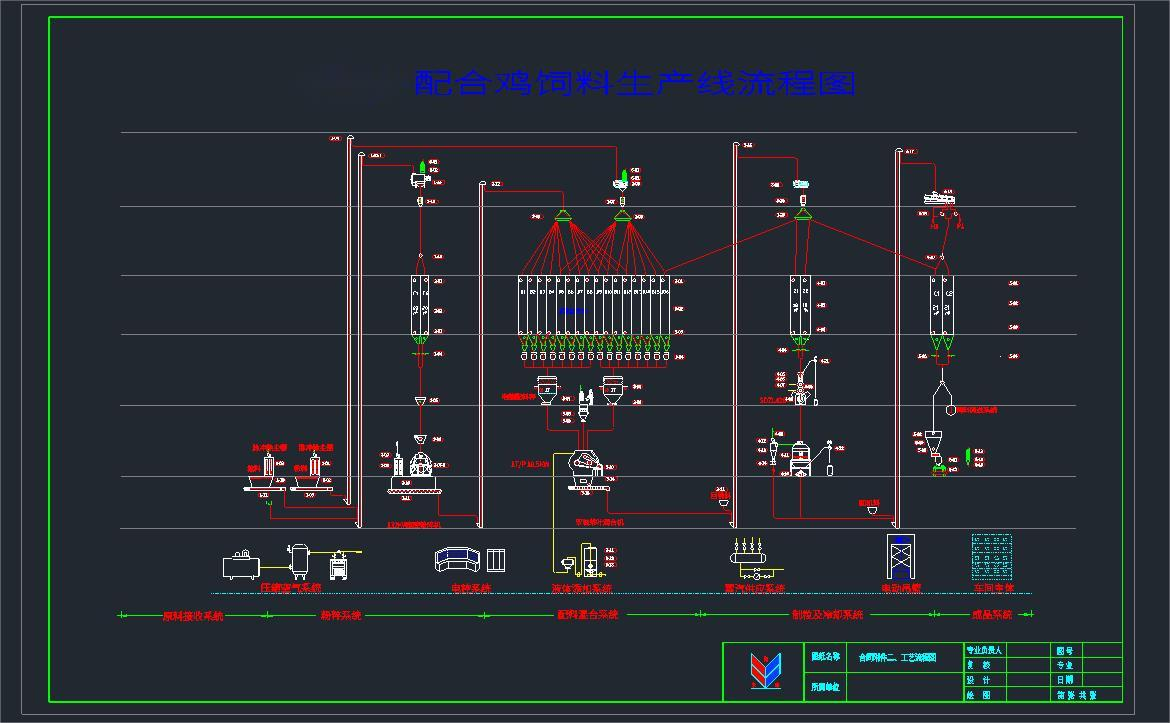
Understanding Starter vs. Grower Feed Requirements
Nutritional Differences: Protein, Energy, and Micronutrient Profiles
The protein content in starter feeds ranges from 20 to 24%, supporting fast organ development for chicks during those crucial first three weeks. This is notably higher than the 18 to 20% typically found in grower feeds, which focus more on long term muscle growth and bone development. Why this difference? Starter feed formulas need to include easily digested amino acids such as lysine and methionine, along with energy rich grains like corn and wheat. They also must contain essential micronutrients important for developing chicks. Calcium helps build strong bones, vitamin E supports the immune system, and selenium acts as an antioxidant. Starter feeds generally have more fat content around 5 to 7%, compared to just 3 to 4% in grower feeds because young birds require extra energy for maintaining body temperature. Looking at metabolic energy, starters average about 3,000 kcal per kg while growers come in at approximately 2,900 kcal per kg. Calcium and phosphorus levels are adjusted according to what the chicks need during different stages. Starter feeds usually contain between 1.0 and 1.2% calcium and 0.45 to 0.50% phosphorus, with these amounts decreasing slightly in grower feeds to prevent mineral buildup over time.
| Nutrient Profile | Starter Feed | Grower Feed |
|---|---|---|
| Protein | 20–24% | 18–20% |
| Crude Fat | 5–7% | 3–4% |
| Calcium | 1.0–1.2% | 0.8–1.0% |
| Phosphorus | 0.45–0.50% | 0.40–0.45% |
| Metabolic Energy | 3,000 kcal/kg | 2,900 kcal/kg |
Physical Specifications: Particle Size, Density, and Palatability Needs
The physical form of feed has a big impact on how well animals eat and their digestive health overall. For young birds, we need to provide starter feeds as very fine crumbles measuring around half a millimeter to one millimeter. This works better because their beaks are still developing and their digestive systems aren't fully mature yet. When pellets get bigger than one millimeter, they become less appealing to these little guys, sometimes cutting down on what they'll actually eat by about thirty percent, particularly if there's dust involved. Grower feeds tell a different story though. These typically come in larger, denser pellets ranging from four to six millimeters, which suits older birds just fine. The pellet durability index needs to hit over ninety five percent in starter formulas so we don't end up with too many small pieces that can irritate airways or get wasted. Bulk density matters too. We keep it between five hundred fifty and six hundred fifty grams per liter for starters to avoid problems with crop blockage. Older birds handle denser stuff better, usually tolerating six hundred fifty to seven hundred fifty grams per liter. Heating feed during processing at around eighty degrees Celsius with moisture content somewhere between ten and twelve percent helps break down starches, making them easier to digest by roughly fifteen percent. And let's not forget about binders such as lignosulfonate that hold everything together through those tricky growth stages when birds transition from one feed type to another.
How Chicken Feed Machines Enable Dual-Stage Feed Production
Adjustable Processing Parameters: Die Selection, Conditioning Temperature, and Moisture Control
Chicken feed manufacturing has gotten pretty sophisticated these days, with modern equipment offering precise control over different growth stages through three main adjustment points. First off, choosing the right die determines the size of the pellets. We typically go for 2 to 4 mm diameter for starter crumbles since chicks need smaller particles they can actually eat, while grower pellets usually measure around 4 to 6 mm. No need for extra grinding here. Next up, temperature control during conditioning plays a big role. Keeping things between about 65 and 85 degrees Celsius helps protect those sensitive nutrients like B vitamins and vitamin C, but still gets enough starch gelatinized for good binding. And let's not forget moisture levels either. Most systems aim to keep hydration somewhere between 14 and 18 percent during pelleting. According to some research from Feed Tech Journal last year, this sweet spot improves pellet strength by roughly 30% while keeping most nutrients intact. What all this means is that producers can switch back and forth between protein-rich starter feeds and more energy focused formulas for growing birds without stopping the production line, which saves time and money in the long run.
Modular Design Features Supporting Rapid Changeover Between Feed Types
Premium chicken feed machinery comes with a modular setup that makes operations much more flexible. The machines have quick release die cassettes that let operators switch between different feed types in about 15 minutes flat. Conditioner assemblies can be slid out easily when adjusting steam pressure settings becomes necessary. Control panels remember specific parameters for various feeds and automatically load them when needed. These features cut down on transition times compared to older equipment by roughly 70%, which means less chance of contamination between batches and better results for those strict feed conversion goals in staged nutrition programs. Farmers get consistently good quality output regardless of what formulation they're running, so they can hit their nutritional targets for different growth stages while still keeping production volumes high.
Practical Considerations for Poultry Producers Using One Chicken Feed Machine
Running one chicken feed machine for both starter and grower feeds needs good process control beyond just having the right hardware. Look for machines that come with quick change dies, have those programmable conditioning settings, and include proper cleaning protocols so nothing gets mixed up between batches. Smaller farms can benefit from setting up their schedule in batches too morning time for making starter crumbles, afternoon slots for grower pellets works well for most folks wanting to keep things running smoothly without too much overlap in formulas. Checking daily is absolutely essential for stuff like particle size, how wet or dry the mix is, and whether nutrients are blended correctly, especially when switching back and forth between high protein mixes and energy dense ones. The initial price tag might be steeper for this kind of versatile equipment, but over time it pays off if maintained properly. Take the case of a farm somewhere in the Midwest they saw their returns go up by 23 percent once they started following strict cleaning procedures and verifying everything between each production run. And don't forget to get third party lab tests done regularly to make sure everything meets local feed regulations including those AAFCO standards, particularly important whenever formulas need adjustments for different stages of animal growth.
FAQ
What is the main difference between starter and grower feeds?
Starter feeds contain a higher percentage of protein and fat compared to grower feeds, supporting fast organ development and energy needs for chicks. In contrast, grower feeds focus more on muscle growth and bone development.
Why is particle size important in chicken feeds?
Particle size affects how well young and mature birds consume feed. Starter feeds are finer to accommodate immature digestive systems and beak development, whereas grower feeds have larger pellets suitable for older birds.
How do chicken feed machines support dual-stage feed production?
Modern chicken feed machines offer adjustable die sizes, temperature control, and moisture management to produce both starter and grower feeds efficiently without stopping the production line.
What should poultry producers consider when using one machine for both feeds?
Producers should ensure machines have quick change dies, programmable settings, and proper cleaning protocols to avoid cross-contamination and ensure consistent feed quality.

